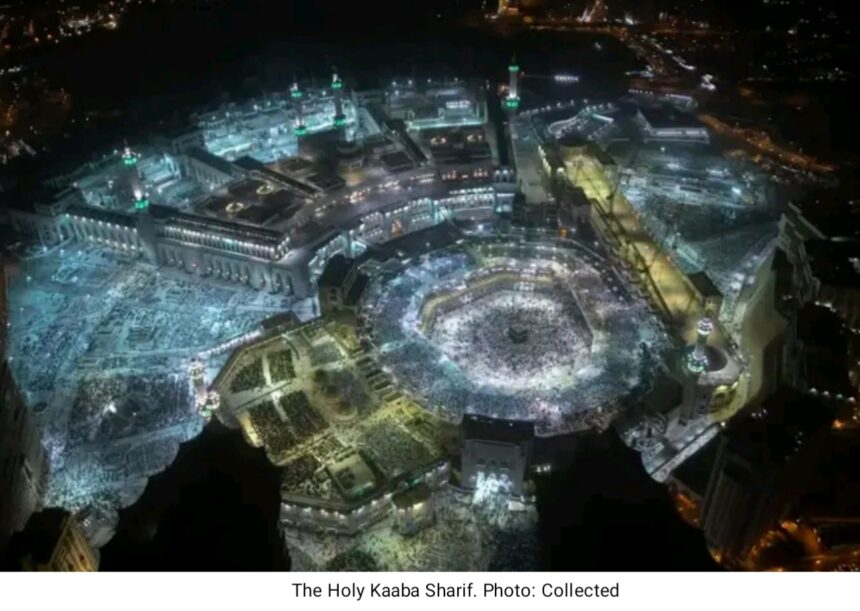
Mecca — Beneath the Mataf, the circumambulation area of the Grand Mosque in Mecca, lies the historic underground section associated with the Zamzam Well—once an important place where pilgrims could access the sacred water directly. During the expansion of the Mataf in 1962, under King Saud bin Abdulaziz, the wellhead was incorporated into a basement located roughly 2.7 metres below the Mataf. The facility included separate stairways for men and women, while the traditional practice of drawing Zamzam water with buckets was gradually replaced by taps and a more organized distribution system. According to Saudi official accounts, an additional section of the basement was constructed in 1973 to improve services for pilgrims, followed over the years by modern infrastructure for transporting, storing and distributing Zamzam water. As the number of pilgrims and Umrah performers continued to rise, access points to the basement were closed in 2003 and Zamzam water fountains were relocated around the Mataf, creating additional space and easing the movement of worshippers. The underground area where pilgrims once descended to drink Zamzam water is therefore no longer open to the public. The Zamzam Well itself, however, remains an important sacred feature of the Grand Mosque, with modern pumping, purification, storage and distribution systems now delivering its water to millions of worshippers. Saudi authorities say the Grand Mosque’s current Zamzam distribution network includes 169 water fountains, about 14,892 distribution points and capacity to provide more than 2.1 million cups a day, while the water is subject to regular safety and quality checks. The Saudi Press Agency has reported that Zamzam water is transported through modern stainless-steel pipelines and passes through purification and sterilisation processes before reaching the Grand Mosque and the Prophet’s Mosque in Medina. Al Jazeera has likewise reported that the Zamzam Well lies beneath the Mataf and that, following the closure of the basement entrances in 2003, fountains and other distribution points were provided around the Mataf for pilgrims. Although the doors to the Zamzam basement have long been closed to the public, its historical legacy—and the profound spiritual significance of Zamzam water—continues to resonate with Muslims around the world.
The history of the lost Zamzam basement under the Grand Mosque