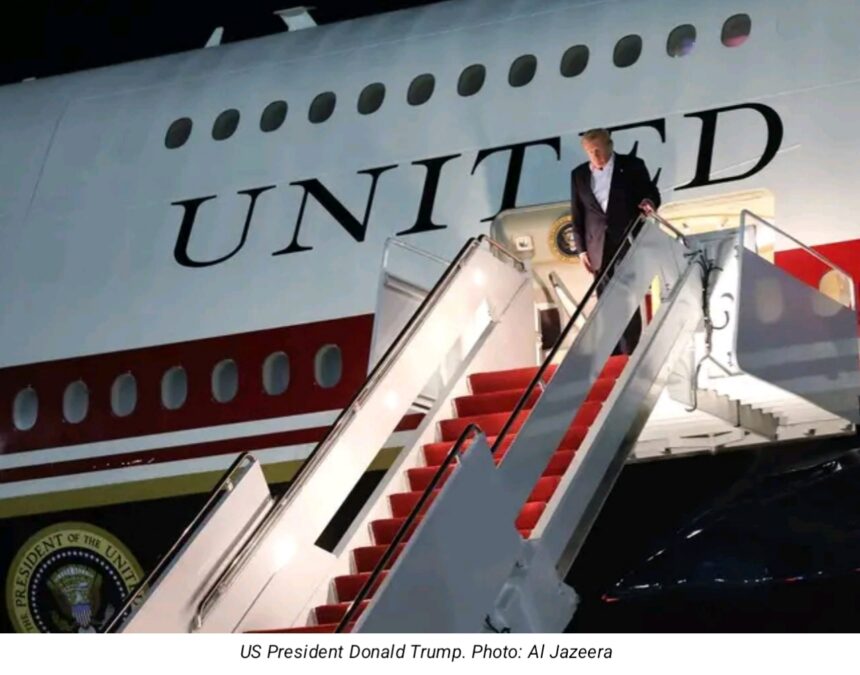
The administration of U.S. President Donald Trump has issued federal subpoenas to several journalists from The New York Times over their reporting on alleged security vulnerabilities involving the newly retrofitted Air Force One aircraft, setting off a wave of criticism from international media organizations, press freedom advocates, legal experts, and civil liberties groups. According to multiple international news organizations, the reporters have been ordered to appear before a federal grand jury as part of a Justice Department investigation into the disclosure of information that officials believe may have originated from classified government sources. The Trump administration maintains that the investigation is focused on identifying government employees responsible for leaking sensitive national security information rather than prosecuting journalists. However, The New York Times has strongly rejected the subpoenas, describing them as an unprecedented attempt to intimidate the press and undermine confidential source protections that are considered essential to investigative journalism.
The controversy centers on a series of reports examining security concerns surrounding the aircraft that President Trump has used following its transfer from Qatar and subsequent modifications. Administration officials argue that the publication of details related to the aircraft’s defensive capabilities could jeopardize national security and compromise presidential safety. Justice Department officials have indicated that compelling reporters to testify is intended to help investigators determine the origin of the leaked information. Critics, however, argue that forcing journalists to reveal confidential sources threatens one of the fundamental principles of a free press and could discourage future whistleblowers from exposing information that serves the public interest.
The case has rapidly attracted international attention, with media watchdogs and journalism organizations warning that the subpoenas may have far-reaching implications for press freedom in the United States. Several advocacy groups argue that compelling reporters to testify before a grand jury could create a chilling effect across the news industry, making government insiders less willing to disclose information about matters of public concern. Legal analysts also note that the dispute is likely to trigger significant constitutional challenges under the First Amendment, which guarantees freedom of speech and freedom of the press. If the case proceeds through the federal courts, it could establish an important legal precedent governing the relationship between national security investigations and journalists’ rights to protect confidential sources.
The subpoenas also come amid broader concerns over the Trump administration’s increasingly confrontational relationship with major American news organizations. Observers note that the administration has adopted a more aggressive approach toward unauthorized leaks of classified information while simultaneously arguing that stronger enforcement is necessary to safeguard national security. Critics counter that the cumulative impact of lawsuits, subpoenas, and other legal actions directed at media organizations risks eroding democratic norms and weakening the independent watchdog role traditionally played by the press in the United States. Supporters of the administration, meanwhile, argue that no individual—including government employees who leak classified information—should be exempt from legal accountability when sensitive national security information is disclosed without authorization.
As legal proceedings begin, the confrontation between the Trump administration and The New York Times is expected to become one of the most closely watched press freedom cases in recent American history. The outcome could shape future Justice Department policies regarding leak investigations, redefine the legal boundaries of journalist-source confidentiality, and influence how democratic governments balance national security concerns with the constitutional protections afforded to an independent press. International observers continue to monitor the case closely, viewing it as a significant test of press freedom, government transparency, and the resilience of democratic institutions in the United States.
Journalists summoned in investigation into leak of classified information, constitutional debate intensifies in the United States