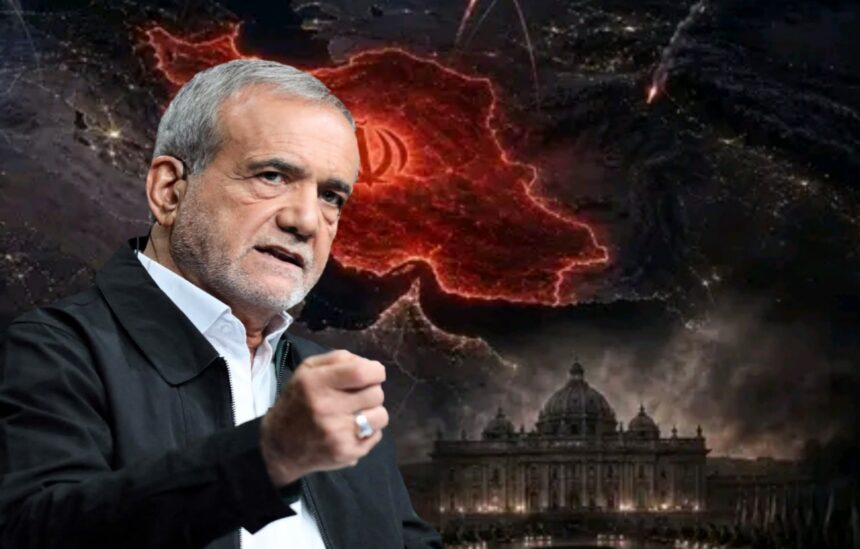
TEHRAN, August 10, 2026 — Iranian President Masoud Pezeshkian has said that the current moment is an appropriate time for Iran and the United States to pursue an understanding, signaling Tehran’s willingness to explore a political path out of prolonged confrontation with Washington.
Pezeshkian’s remarks come amid heightened tensions between Iran and the United States, with disputes over Iran’s nuclear programme, sanctions, regional security and the wider conflict in the Middle East continuing to dominate relations between the two countries.
The Iranian president has argued that an enduring settlement would require mutual respect, trust and reciprocal commitments. His comments suggest that Tehran does not want the relationship with Washington to remain indefinitely trapped in a cycle of confrontation without a clear political resolution.
The prospect of renewed diplomacy is particularly significant because negotiations between Iran and the United States have repeatedly stalled over major differences, including the scope of Iran’s nuclear activities, international inspections, sanctions relief and regional security arrangements.
The Strait of Hormuz has also emerged as a critical element in the wider crisis. Any prolonged disruption to shipping through the strategic waterway could have consequences for global oil supplies, energy prices and international trade, increasing pressure on regional and international actors to seek a diplomatic solution.
Pezeshkian’s comments therefore carry significance beyond the bilateral relationship. A successful US-Iran understanding could potentially ease tensions across the Middle East, reduce risks to global energy markets and create space for broader negotiations on regional security.
However, major obstacles remain. Washington is expected to seek firm guarantees concerning Iran’s nuclear programme and verification mechanisms, while Tehran has repeatedly emphasized the need for sanctions relief and respect for its sovereignty.
For now, Pezeshkian’s message appears less a declaration of an imminent agreement than an indication that Iran remains open to diplomacy. Whether that opening can translate into concrete negotiations—and eventually a durable agreement—will depend largely on the willingness of both Washington and Tehran to make reciprocal concessions.
‘Now Is the Right Time for an Understanding with the United States,’ Iran’s President Says