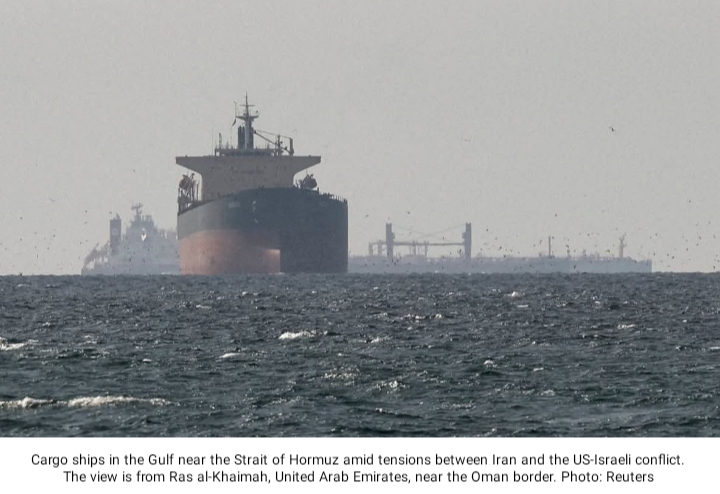
Leaders in the Gulf Arab region say the United States is acting unilaterally; although they had long warned Washington against being drawn into conflict with Iran, they have remained largely silent since the war began, a stance shaped not only by diplomatic calculations but also by the deep uncertainty surrounding the conflict, as they face rising economic losses and defense costs without having control over the situation; meanwhile, officials have cautioned against excluding Gulf countries from ongoing talks between Washington and Tehran, stressing that the immense strategic importance of the Strait of Hormuz means this issue is no longer merely regional but has become global, and they believe that reopening the strait is being prioritized in the current U.S.–Iran negotiations, raising serious concerns among them; this anxiety has intensified further following a warning from Dmitry Medvedev, as Gulf states fear that instead of reducing broader tensions, simply reopening the strait may end up being presented as the main achievement of the talks; officials and analysts also suggest that in the next round of discussions expected in Islamabad, there may be limited focus on Iran’s missile program or broader regional issues, with greater emphasis instead on limiting uranium enrichment and managing Iran’s control over the Strait of Hormuz, a critical maritime route through which nearly one-fifth of the world’s oil supply passes; Gulf officials warn that such an approach could further solidify Iran’s influence over Middle Eastern energy flows, while the countries most exposed to energy and security risks are being sidelined from the decision-making process.
Gulf security neglected: Is the US accepting Iran’s exclusive control of Hormuz?