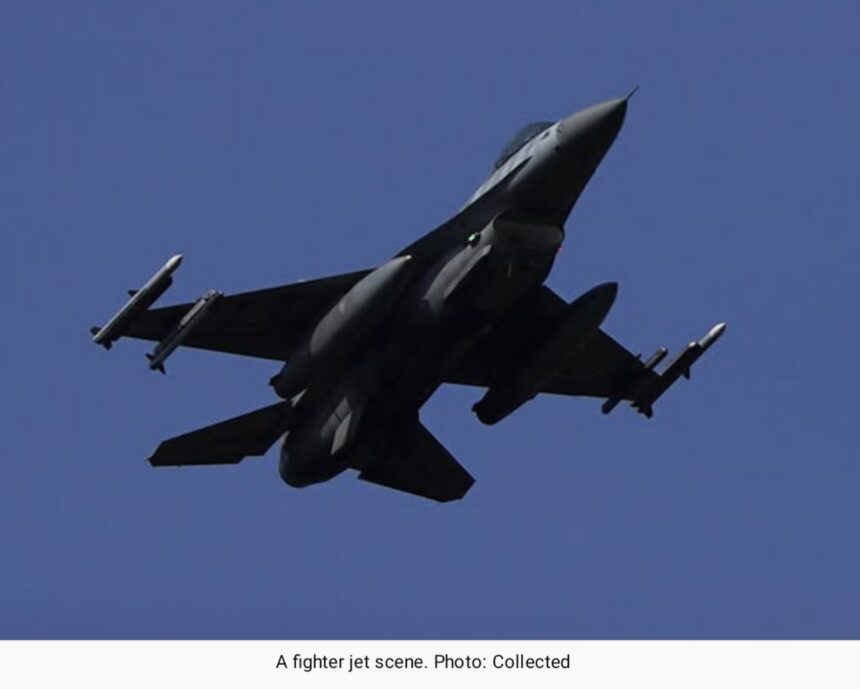
Russia launched a large-scale overnight missile and drone assault across Ukraine, triggering renewed security concerns along NATO’s eastern flank after explosions were reported near Poland’s border with Ukraine and authorities began investigating the possible intrusion of an unidentified aerial object into Polish airspace. The attacks, which targeted several regions of western Ukraine including the city of Lviv, unfolded just a short distance from Polish territory, raising fears that the conflict could once again spill beyond Ukraine’s borders. Poland’s Armed Forces Operational Command said it was monitoring the situation closely and confirmed that multiple missiles had been observed flying over western Ukraine during the overnight assault. Military officials stressed, however, that they had not yet confirmed whether any missile or drone had crossed into Polish territory or caused an explosion inside the country, adding that investigations remain ongoing. According to Polish media reports, residents in the Lublin region heard a powerful explosion late Wednesday night after radar systems detected an unidentified airborne object. Local reports also said a large crater was discovered in a field, prompting authorities to deploy an F-16 fighter jet as part of an immediate security response while air raid alerts were activated across parts of eastern Poland. Officials have not established whether the incident was directly linked to Russia’s strikes on Ukraine. If investigators ultimately determine that a Russian missile or drone entered Polish territory, the incident would represent one of the most serious escalations involving a NATO member since Russia’s full-scale invasion of Ukraine began, potentially intensifying already fragile relations between Moscow and the Western military alliance. Such a finding would likely trigger urgent consultations among NATO allies under the alliance’s collective security framework, although any response would depend on the final outcome of the investigation and the circumstances surrounding the incident. The latest developments come only weeks after reports emerged that the United States had privately warned Poland about the possibility of Russian provocations designed to test NATO’s resolve. According to previous reporting by the Polish news outlet Onet, citing sources close to Polish President Karol Nawrocki and security officials, Washington had repeatedly cautioned Warsaw that Moscow could attempt hybrid operations, including drone strikes against critical infrastructure, temporary violations of NATO airspace, or other limited actions intended to increase political pressure without provoking a full-scale military confrontation. Security analysts say such tactics could be aimed at forcing Poland and other NATO members to activate their air defense systems while simultaneously attempting to disrupt Western military assistance flowing into Ukraine. Earlier intelligence assessments also suggested that potential hybrid operations might involve cyberattacks, drone incursions, GPS interference, or limited cross-border incidents that could initially be portrayed as navigation errors or technical accidents rather than deliberate military actions. The Kremlin has consistently denied any intention of attacking NATO territory and maintains that its military operations are focused exclusively on objectives inside Ukraine. Nevertheless, the proximity of Russia’s missile campaign to NATO borders continues to heighten tensions across Eastern Europe, where allied forces remain on elevated alert amid fears that a miscalculation, navigational error, or deliberate provocation could rapidly escalate into a broader regional crisis. As investigators continue to examine the reported explosion and the unidentified aerial object, governments across Europe are closely watching for official findings that could determine whether the incident was an isolated occurrence or a significant new turning point in Europe’s most dangerous security crisis since the end of the Cold War.
Did Russia attack Poland to test NATO’s strength?