Yemen’s conflict is entering a potentially dangerous phase as the Iran-backed Houthi movement continues to rely on advanced drone technology, while the Saudi-backed Yemeni government struggles to match its military capabilities in the air.
The ongoing conflict in Yemen is increasingly being shaped by the growing role of unmanned aerial vehicles, with the Iran-backed Houthi movement reportedly maintaining a significant advantage over the internationally recognised, Saudi-backed Yemeni government in drone warfare. According to sources familiar with the situation, the Houthis believe that strengthening their military position against government forces should come before entering any serious political negotiations with Saudi Arabia.
One source described the Houthi strategy as an effort to strike the Yemeni government hard while they still have the opportunity, before turning their attention towards negotiations with Riyadh. This approach suggests that the movement may seek to improve its position on the battlefield before considering a broader diplomatic settlement. However, the extent to which this reflects the official thinking of Houthi leadership remains difficult to establish independently.
Drone warfare is changing the balance of power
The Houthis’ military advantage appears to be particularly significant in the air. Although the Saudi-backed Yemeni government has reportedly obtained drones from Ukraine, including during the period of the ceasefire, sources claim that these acquisitions have not been sufficient to close the technological gap.
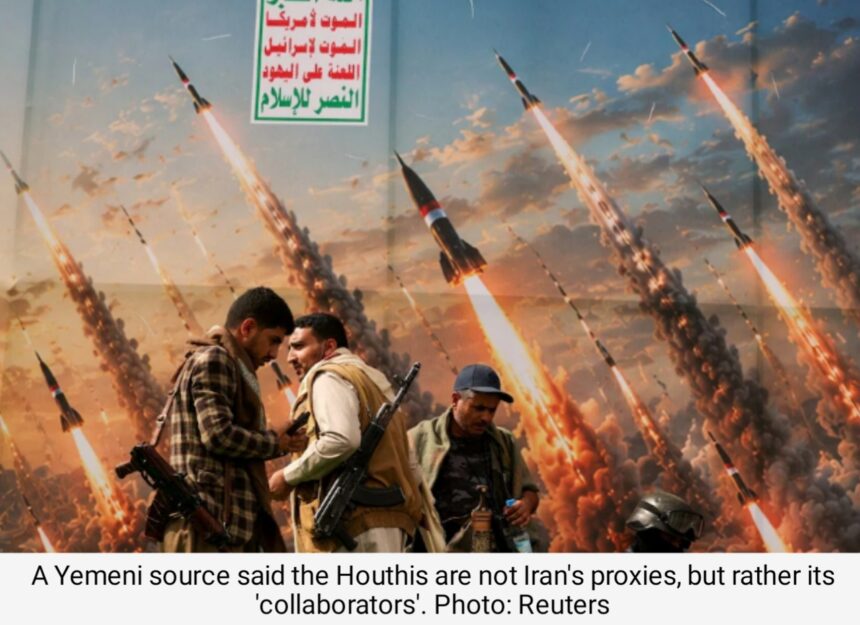
According to one Yemeni source, the Houthis continue to possess more advanced military equipment than government forces, with much of their technological advantage attributed to assistance from Iran and China. Iranian-designed and supplied drones, in particular, are said to provide the movement with capabilities that its opponents have struggled to match.
The source argued that Iranian drones are more advanced than the Ukrainian equipment reportedly acquired by the Yemeni government. He also described Iranian weapons as readily available for deployment rather than equipment simply kept in storage, suggesting that these systems have already undergone combat testing and can be supplied for operational use.
Such claims highlight the growing importance of drone technology in modern conflicts, particularly in countries where conventional military forces face limitations in equipment, funding and access to advanced aviation systems.
Relatively inexpensive unmanned aircraft can carry out surveillance, strike targets and threaten military infrastructure without exposing pilots to the same risks associated with conventional combat aircraft. This makes drone technology an increasingly important tool for armed groups operating with limited conventional military resources.
Iran’s role and the wider regional implications
Iran’s alleged military support for the Houthis has remained a major concern for Saudi Arabia and several Western governments. Tehran’s relationship with the movement has become an important element of the wider regional security debate, particularly because of the Houthis’ ability to threaten strategic locations and maritime routes beyond Yemen.
The reported availability of Iranian military technology has also raised questions about the effectiveness of international sanctions and restrictions intended to limit the movement’s military capabilities.
Although Western countries have imposed extensive sanctions on the Houthis in recent years, the movement has continued to maintain its presence and military influence across significant parts of Yemen. Sources argue that conventional financial sanctions have limited effectiveness against an armed organisation that operates outside the internationally recognised financial system.
One source questioned how effectively the movement could be economically pressured when it lacks conventional banking arrangements and international recognition. He also highlighted the absence of an effective international agreement specifically restricting the proliferation and use of military drones by non-state armed groups.
The growing availability of relatively inexpensive drone systems has therefore created a difficult challenge for governments attempting to restrict the military capabilities of armed movements through traditional sanctions.
Yemen remains divided amid continued fighting
Yemen’s territorial and political divisions remain a central obstacle to ending the conflict. The internationally recognised government and its allies maintain control over substantial areas, particularly in the eastern parts of the country, while the Houthis continue to dominate much of the west, including important areas along the Red Sea coastline.
According to sources cited in the report, the government controls approximately 30 per cent of the territory in the east, while the Houthis maintain their position along the western coastal strip. The coastline is strategically important because of its location near major international shipping routes and the reported maritime supply networks available to the movement.
Despite periods of reduced fighting and attempts to maintain a truce, violence has continued in several areas. A Yemeni source described the situation as extremely dangerous, with deaths reported on a daily basis and intense exchanges of fire between opposing forces.
The source also warned that the Houthis’ current position, despite their military advantages, could remain vulnerable. Their control over territory and military influence may change depending on developments on the battlefield, political alliances and the level of external support received by the opposing sides.
Civilian casualties remain difficult to verify
Determining the actual human cost of the conflict remains a major challenge. Reliable casualty figures are difficult to obtain because both sides operate under different reporting practices and access to affected areas is limited.
According to one source, the internationally recognised government generally records the deaths of its fighters because authorities are responsible for informing and supporting their families. The Houthis, by contrast, are accused of sometimes delaying the notification of relatives for weeks.
Such differences make it difficult to establish an accurate picture of military casualties and the wider human consequences of the conflict. The absence of independently verified figures also complicates efforts by humanitarian organisations and international observers to assess the full scale of the violence.
Beyond military losses, continued fighting threatens civilian communities, disrupts economic activity and increases pressure on families already affected by years of instability.
Houthi ambitions extend beyond Yemen
The regional dimension of the Houthi movement is another source of concern. One Yemeni source compared the movement with the Taliban but argued that their strategic ambitions differ significantly.
According to the source, the Taliban’s political and military objectives are primarily focused on Afghanistan, whereas the Houthis have ambitions that extend beyond Yemen’s national borders.
The movement’s repeated involvement in regional security tensions, particularly around the Red Sea and neighbouring countries, has strengthened concerns that the conflict could have consequences far beyond Yemen.
The strategic location of Yemen makes these developments especially significant. The country sits near the Bab al-Mandab Strait, one of the world’s important maritime passages connecting the Red Sea with the Gulf of Aden and the wider Indian Ocean. Any escalation involving Houthi military operations could therefore affect international shipping, regional trade and broader security calculations.
Sanctions and international restrictions face new challenges
Western governments have increasingly relied on sanctions, financial restrictions and diplomatic pressure to limit the Houthis’ activities. However, the movement’s continued military operations have raised questions about whether these measures are sufficient to restrict its access to weapons and technology.
The growing use of drones presents an additional challenge because such systems can be produced, transferred and deployed through supply networks that are difficult to monitor.
Unlike conventional military aircraft, which require specialised infrastructure and extensive maintenance, many drone systems can be operated with comparatively limited resources. This creates opportunities for armed groups to maintain military pressure even when they face international restrictions.
The lack of a comprehensive international framework specifically addressing the transfer and use of military drones by non-state armed groups further complicates the situation.
The future of Yemen’s conflict
The military balance in Yemen is likely to remain closely linked to the availability of advanced weapons, external assistance and the ability of opposing forces to adapt to new technologies. If the Houthis continue to maintain an advantage in drone warfare, the Saudi-backed government could face additional difficulties in strengthening its position on the battlefield.
At the same time, military superiority does not necessarily guarantee lasting political control. Yemen remains divided, its institutions are weakened, and years of conflict have created deep political and social divisions that cannot be resolved through military operations alone.
For Saudi Arabia and other regional powers, the challenge is to prevent further escalation while seeking a political arrangement capable of addressing Yemen’s competing interests. For international governments, the growing role of drones raises broader questions about weapons proliferation, maritime security and the limits of existing sanctions.
Ultimately, Yemen’s conflict demonstrates how relatively inexpensive military technology can influence the balance of power between established governments and armed non-state movements. As long as advanced drones remain accessible and effective restrictions remain limited, the advantage may continue to favour whichever side can obtain, operate and deploy these systems most effectively.
For Yemen’s civilian population, however, the consequences are measured in continued insecurity, displacement and loss of life. Without a sustainable political settlement and stronger international efforts to reduce weapons proliferation, the country risks remaining trapped in a conflict whose military dimensions increasingly extend beyond its borders.