ANKARA | International Analysis — As the United States gradually reduces its long-standing military presence across Europe, Türkiye is emerging as one of NATO’s most significant strategic powers, positioning itself to fill the growing security vacuum within the alliance. Washington is reportedly planning to withdraw around 30 percent of its strategic bomber fleet and nearly half of its naval assets from Europe, a move that has accelerated discussions about Europe’s future defense capabilities and strategic autonomy. Against this backdrop, Ankara will host the NATO Summit on July 7–8 under the leadership of President Recep Tayyip Erdoğan, where alliance leaders are expected to address defense spending, military modernization, and the evolving security landscape. A major defense exhibition held alongside the summit will showcase Türkiye’s latest electronic warfare systems, precision-guided munitions, drones, and advanced military technologies, highlighting the country’s rapidly expanding defense industry, now valued at approximately $10 billion in annual exports.
Türkiye’s remarkable rise in the global defense market has been driven by a fourfold increase in defense exports since 2020, fueled largely by Europe’s accelerated rearmament following the Russia–Ukraine war. According to recent figures, nearly 56 percent of Türkiye’s defense exports now go to the United States, Europe, and other Western allies, demonstrating Ankara’s growing integration into NATO’s defense supply chain. European militaries increasingly rely on Turkish-made armored vehicles, trainer aircraft, unmanned aerial vehicles (UAVs), and unmanned combat aerial vehicles (UCAVs) to compensate for declining American military capabilities. Turkish defense manufacturer Baykar has expanded its international footprint through a joint venture with Italy’s Leonardo to produce advanced UAV and UCAV systems, while also acquiring the historic Italian aircraft manufacturer Piaggio Aerospace. Turkish drones are now operating across Europe, Asia, Africa, and the Middle East, while Ankara has also secured an agreement to export 30 Hürjet advanced trainer aircraft to Spain.
Beyond defense exports, Türkiye is strengthening its role as a key logistical and infrastructure hub for NATO. As part of the alliance’s $28 billion infrastructure expansion program, Ankara is developing underground fuel pipeline networks designed to reinforce NATO’s operational resilience and long-term energy security. At the same time, as the reduction of U.S. military assets leaves Europe facing shortages in surveillance and strike drone capabilities, Türkiye has moved to fill the gap, including exporting naval vessels to Romania for the first time, further strengthening NATO’s eastern flank along the Black Sea.
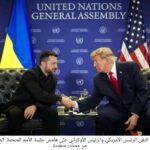
Türkiye possesses NATO’s second-largest military after the United States and increased its defense spending by approximately seven percent last year to around $30 billion, reinforcing its ambition to become one of the alliance’s indispensable military powers. Ankara’s diplomatic influence within NATO has also evolved significantly. Once criticized for delaying Sweden’s NATO membership over concerns related to the PKK, President Erdoğan has increasingly positioned himself as an important intermediary between Washington and European allies. Former U.S. President Donald Trump has indicated that he intends to attend the summit out of respect for Erdoğan, whom he has described as “a very good friend,” despite continuing disagreements within NATO over defense spending, regional conflicts, and policies concerning Iran.
The summit may also offer an opportunity to ease tensions stemming from Türkiye’s 2017 purchase of the Russian S-400 air defense system, which led to U.S. sanctions and Ankara’s removal from the F-35 fighter program. Trump has suggested that bilateral discussions could pave the way for the resumption of jet engine sales to Türkiye, signaling a possible improvement in defense relations. Meanwhile, recent regional conflicts have highlighted the operational differences between Türkiye and several European allies. During heightened tensions involving Iran, reports indicated that Türkiye’s air defense network successfully intercepted multiple ballistic missile threats, while several Eastern European NATO members continued to rely heavily on U.S. military support to respond to violations of their airspace. Together, these developments illustrate a significant shift in NATO’s strategic balance, with Türkiye increasingly emerging not merely as the alliance’s southeastern flank but as a major defense manufacturer, operational military power, diplomatic mediator, and indispensable strategic partner in an era of gradually declining American military presence across Europe.
Is Türkiye taking America’s place in Europe? NATO’s balance of power is changing