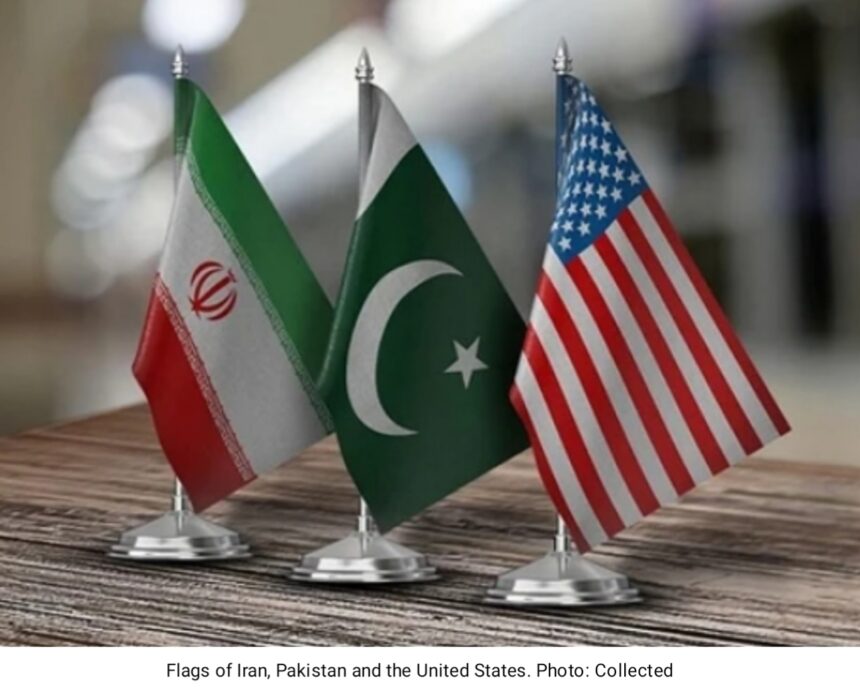
Pakistan has formally invited senior Iranian officials to Islamabad in a renewed diplomatic effort aimed at reviving stalled direct negotiations between Tehran and Washington, signaling a potentially significant shift in regional diplomacy as international actors seek to prevent another escalation in the Middle East. The initiative comes at a sensitive moment, following the reported cancellation of planned US military strikes against Iran, which has created a narrow but important window for political engagement over military confrontation. According to Pakistan’s Foreign Ministry, the invitation reflects Islamabad’s commitment to facilitating dialogue and reducing tensions between the two long-standing adversaries, while Pakistani and Qatari mediators continue consultations with both capitals to determine a mutually acceptable date and venue for future negotiations.
Diplomatic sources indicate that no final agreement has yet been reached regarding the timing or format of the proposed talks, underscoring the fragile nature of current mediation efforts. The negotiations remain complicated by deep disagreements over regional security, sanctions, and Iran’s nuclear program, while years of mutual distrust continue to cast a shadow over every diplomatic initiative. Even so, the latest Pakistani move has been interpreted by regional observers as evidence that diplomatic channels remain active despite repeated setbacks and growing geopolitical uncertainty.
Islamabad has increasingly positioned itself as a regional mediator capable of maintaining communication with both Tehran and Washington. Its diplomatic outreach is viewed by analysts as part of a broader effort to prevent renewed military confrontation that could destabilize the Gulf, disrupt international shipping routes, and place additional pressure on global energy markets. Pakistan’s balanced relations with Iran, Gulf Arab states, and the United States have allowed it to play a unique intermediary role at a time when conventional diplomatic avenues remain under strain.
The latest initiative also reflects growing concern among regional governments that another cycle of military escalation would carry severe political, economic, and security consequences extending far beyond the Middle East. Although optimism remains cautious, diplomats argue that sustained engagement, confidence-building measures, and continued mediation by regional partners could help create conditions for renewed direct dialogue between Tehran and Washington. Whether Islamabad’s initiative ultimately succeeds will depend on the willingness of both sides to return to the negotiating table and address their longstanding disputes through diplomacy rather than confrontation.
Peace initiative in the shadow of military conflict: Islamabad calls on Tehran to return to talks