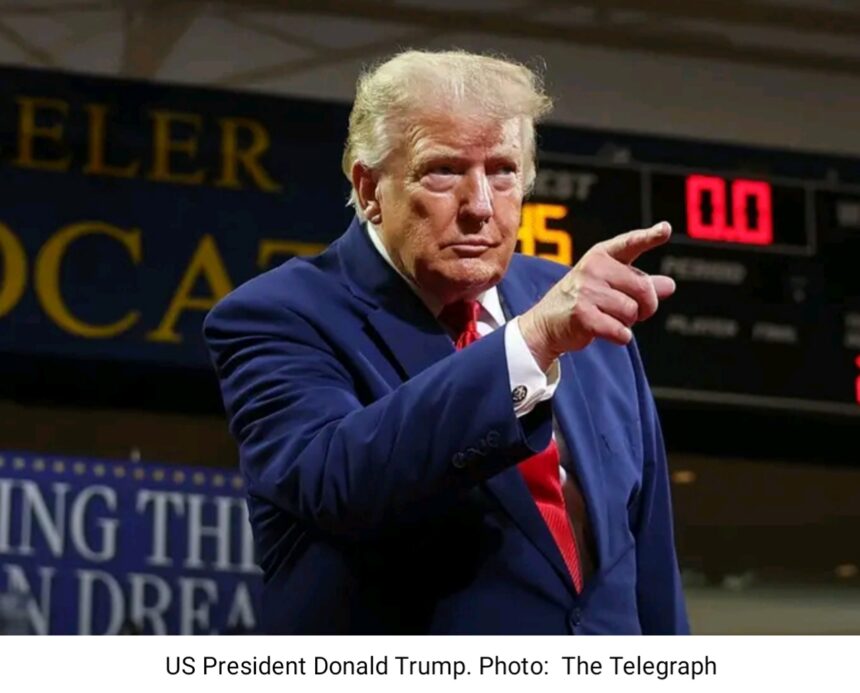
Reports alleging that Russia provided intelligence or other forms of assistance to Iran during its confrontation with the United States have fueled intense debate across diplomatic and security circles. Yet despite the growing speculation, US President Donald Trump has appeared reluctant to publicly escalate the issue or launch direct accusations against Moscow. His measured response has raised an important question among analysts and policymakers alike: why is Washington seemingly avoiding a direct confrontation with Russia at such a sensitive moment?
According to various media reports and assessments by security analysts, allegations of Russian support for Iran have ranged from intelligence sharing to broader strategic coordination. However, no publicly available evidence has conclusively demonstrated that Russia directly participated in military operations against the United States. Moscow has repeatedly denied claims that it became an active party to the conflict, insisting that its position remains focused on diplomacy and regional stability.
Trump’s restrained public posture reflects a broader strategic calculation rather than simple indifference, according to many foreign policy experts. The United States is already managing multiple international crises simultaneously, including the war in Ukraine, growing competition with China, and continuing instability across the Middle East. Opening another direct confrontation with Russia could significantly increase geopolitical risks and complicate Washington’s global security priorities.
Another factor is the nature of intelligence itself. Governments rarely disclose classified information that reveals the sources or methods used to obtain sensitive intelligence. Even when officials believe another country has provided military or intelligence assistance to an adversary, administrations often avoid making immediate public accusations until evidence can be independently verified or until revealing such information serves a broader strategic objective.
Diplomatic considerations may also explain Trump’s approach. Throughout his political career, Trump has often argued that maintaining communication channels with rival powers is preferable to allowing tensions to spiral into uncontrolled confrontation. Analysts say that publicly accusing Russia without presenting irrefutable evidence could reduce diplomatic flexibility and increase the possibility of wider escalation between two nuclear powers.
Military analysts further argue that Washington’s response may be occurring largely behind closed doors. Instead of relying on public statements, the United States possesses a wide range of policy tools, including intelligence operations, economic sanctions, cyber capabilities, military deployments, and diplomatic pressure. Such measures can be employed without creating headlines that might further inflame an already volatile international situation.
Some experts also warn that an overly aggressive American response could unintentionally strengthen strategic cooperation among Russia, Iran, and China. From this perspective, measured public rhetoric may be designed to avoid pushing those countries into even closer military and political coordination.
At the same time, critics argue that a restrained public response risks creating the perception that Washington is unwilling to confront hostile actions by major powers. They contend that failing to respond forcefully could encourage adversaries to believe they can challenge US interests without facing significant consequences. Supporters of the administration reject that interpretation, arguing that effective national security policy should be judged by actions rather than rhetoric.
The broader picture remains uncertain because many of the claims regarding Russian assistance to Iran rely on intelligence assessments, anonymous sources, or media reporting rather than publicly released official evidence. While several reports have suggested some degree of cooperation between Moscow and Tehran, independent verification of the full extent of that assistance remains limited.
Ultimately, Trump’s decision not to publicly emphasize allegations of Russian support for Iran appears to reflect a combination of strategic caution, diplomatic calculation, intelligence sensitivity, and broader geopolitical priorities. Whether that approach proves successful will depend on future disclosures, developments on the battlefield, and the evolving relationship between Washington, Moscow, and Tehran. Until more verified information becomes available, many of the most significant claims surrounding Russia’s alleged assistance to Iran remain matters of analysis and ongoing international scrutiny rather than established fact.
Why is Trump ignoring information about Russia’s support for Iran against the United States?