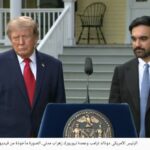
WASHINGTON/CARACAS, August 30, 2026: U.S. President Donald Trump has announced what he described as “the biggest oil deal in world history,” under which the United States is set to gain majority control over more than 65 billion barrels of Venezuela’s proven oil reserves, marking a potentially transformative shift in the global energy landscape and Washington’s economic influence in the Western Hemisphere. Trump announced the agreement on Friday, saying the deal had been negotiated by U.S. Secretary of State Marco Rubio, U.S. Defense Secretary Pete Hegseth and Venezuela’s interim President Delcy Rodríguez, with American private-sector participation. According to details reported by Reuters and other major international media, the arrangement is designed to revive Venezuela’s severely weakened oil industry, attract large-scale foreign investment and increase crude production, while giving the United States a significant economic stake in the country’s energy sector. Reuters reported that Washington would obtain majority control over more than 65 billion barrels of proven reserves through a partnership with private businesses, while Venezuelan officials have said the agreement covers 17 strategic oil fields and could attract roughly $100 billion in investment and generate more than $200 billion in tax revenue for Caracas. The agreement has also generated intense debate over Venezuela’s sovereignty, the long-term role of U.S. companies and the legal structure of the arrangement. Some reports describe contracts giving the new U.S.-linked venture rights over the oil fields for as long as 100 years, while Rodríguez has publicly characterized the broader energy agreement as lasting 25 years, underscoring that important details of the deal remain subject to clarification. Trump has argued that the agreement will help restore Venezuela’s oil production and ultimately reduce fuel prices for American consumers, but energy analysts caution that rebuilding Venezuela’s damaged infrastructure, attracting sufficient investment and significantly increasing production could take years. Venezuela possesses some of the world’s largest petroleum resources, but years of economic crisis, underinvestment, sanctions, declining infrastructure and operational problems have sharply reduced its ability to convert those reserves into sustained production. The agreement therefore carries implications far beyond the oil market, potentially reshaping U.S.-Venezuela relations, strengthening Washington’s position in the Western Hemisphere and altering the balance of influence over one of the world’s most strategically significant energy reserves. At the same time, critics in Venezuela and abroad have questioned the transparency, legality and long-term consequences of granting extensive foreign control over the country’s oil assets, while supporters argue that U.S. capital, technology and expertise could provide the investment necessary to rebuild an industry that has suffered years of decline. As negotiations move forward and the full legal and financial terms emerge, the Venezuela oil agreement is likely to remain at the center of a major international debate over energy security, national sovereignty, foreign investment and the geopolitical power of oil.
Trump calls US dominance of Venezuelan oil deal ‘the biggest oil deal in world history’