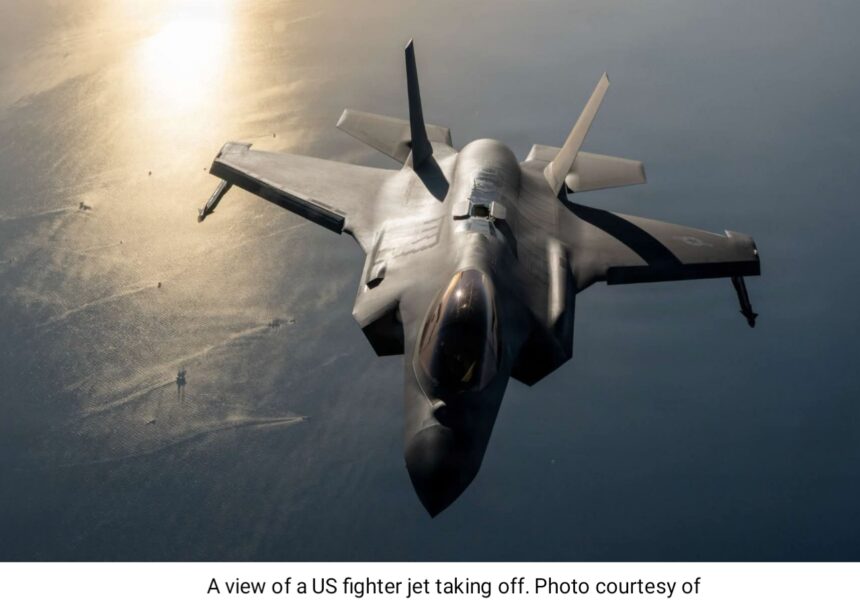
The southern shipping route through the Strait of Hormuz remains open to commercial navigation despite heightened regional tensions, with the United States asserting that international maritime traffic continues to move safely through one of the world’s most strategically significant waterways. According to U.S. officials, more than 1,000 commercial vessels have successfully transited the strait over the past three months with the assistance of American forces, despite what Washington described as “unwarranted Iranian aggression.” The U.S. military said it continues to provide security support and maritime coordination to ensure freedom of navigation for commercial shipping, emphasizing that these operations remain ongoing. The Strait of Hormuz serves as a critical maritime corridor connecting the Persian Gulf to global markets, carrying a substantial share of the world’s crude oil, liquefied natural gas, and other strategic cargoes. Any disruption to traffic through the narrow waterway has the potential to trigger significant consequences for global energy supplies, international trade, and financial markets. U.S. officials argued that maintaining uninterrupted commercial transit is essential for regional stability and the global economy, reaffirming Washington’s commitment to safeguarding international shipping lanes in accordance with international maritime law. The statement comes amid persistent tensions between the United States and Iran, with both sides accusing each other of actions that threaten security in the Gulf. While Washington maintains that its naval presence is intended to protect international commerce and deter hostile activities, Tehran has repeatedly argued that foreign military deployments contribute to regional instability and has insisted that Gulf security should be managed by regional states. Maritime security analysts note that the Strait of Hormuz remains one of the world’s most sensitive geopolitical flashpoints, where even limited incidents can reverberate through global energy markets and supply chains. As military deployments continue and diplomatic tensions persist, the uninterrupted flow of commercial shipping through the strategic waterway is expected to remain a central concern for governments, energy producers, shipping companies, and financial markets worldwide.
“Amidst tensions in the Strait of Hormuz, over 1,000 commercial ships safely pass through, US eyes on Iran”