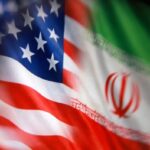
Doha has once again emerged as the center of high-stakes diplomacy as Qatar intensifies efforts to ease tensions between the United States and Iran. Qatari Prime Minister and Foreign Minister Sheikh Mohammed bin Abdulrahman bin Jassim Al Thani held talks with US Special Envoy Steve Witkoff and Jared Kushner, son-in-law of President Donald Trump, amid renewed attempts to revive negotiations between Washington and Tehran.
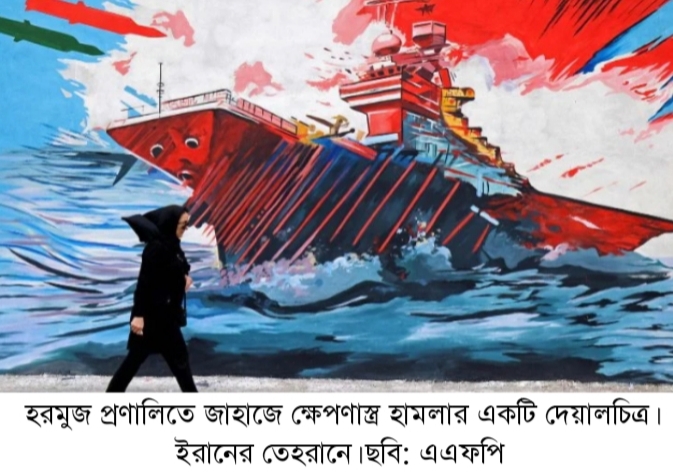
The diplomatic initiative follows the June 17 Memorandum of Understanding (MoU), under which the United States and Iran agreed to extend their ceasefire for 60 days while pursuing negotiations on key issues, including the future of the Strait of Hormuz, the release of frozen Iranian assets, long-term sanctions relief, and Tehran’s nuclear programme. Despite the agreement, regional tensions have remained high following disputes over shipping through the Strait of Hormuz, recent US military strikes on Iran, Iranian attacks on US military facilities in the Gulf, and Israel’s continued military operations in Lebanon.
Washington maintains that technical negotiations with Iranian representatives are continuing in Doha and has expressed optimism about achieving a diplomatic breakthrough. US Vice President JD Vance stated that the Trump administration remains committed to a peaceful resolution but insisted that the United States is in a strong strategic position regardless of the outcome. He also warned that any Iranian attempt to disrupt international shipping in the Strait of Hormuz would trigger a firm American response.
Tehran, however, has rejected claims that direct political negotiations with the United States are taking place. Iranian officials say discussions in Doha are limited to indirect technical talks, mediated by Qatar, focusing on implementing the MoU and securing the release of frozen Iranian funds. President Masoud Pezeshkian has said Iran expects the United States to release approximately $6 billion in frozen assets as an initial confidence-building measure.
Political analysts believe Iran’s cautious approach reflects growing skepticism within its leadership over the pace of implementing the agreement. Many officials argue that while the MoU created diplomatic momentum, promised economic and political benefits have yet to materialize, making senior Iranian leaders reluctant to engage in high-profile direct negotiations.
Security experts say the Doha talks could shape not only the future of Iran’s nuclear programme but also the stability of the Gulf region, the security of the Strait of Hormuz, sanctions policy, and the broader balance of power in the Middle East. As diplomatic efforts continue, the coming weeks are expected to determine whether dialogue can reduce regional tensions or whether the crisis will once again move toward confrontation.
Qatar Steps Up Diplomacy as US-Iran Talks Enter a Critical Phase