

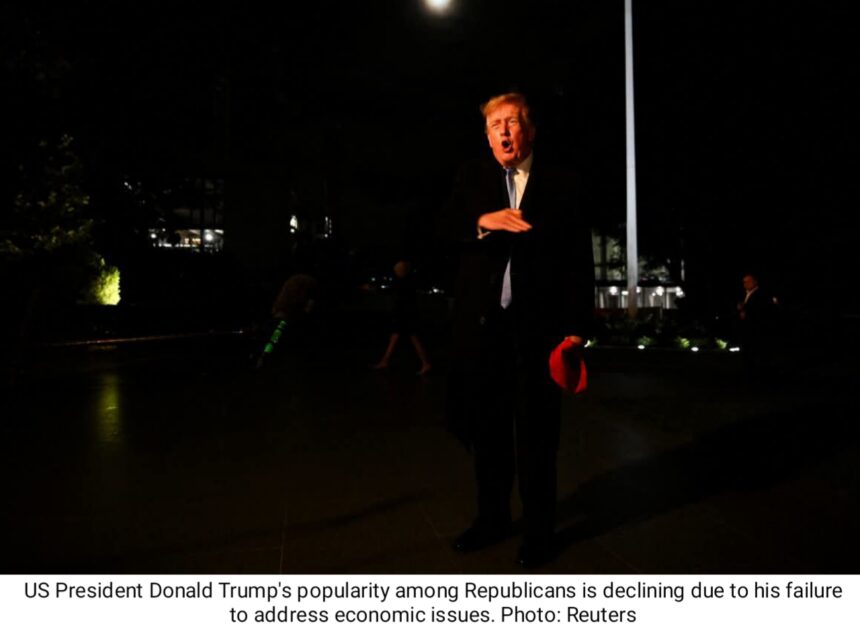
US President Donald Trump has announced plans for a $15 billion steel mill in Iowa, presenting the project as part of his administration’s efforts to expand domestic manufacturing and revive the American steel industry.
Trump made the announcement on September 28 alongside executives from Mesabi Metallics, a Minnesota-based steel manufacturer. The company recently opened Minnesota’s first new iron ore mine in 50 years and plans to use ore from the Mesabi Iron Range to supply the proposed Iowa facility.
The project is expected to begin steel production in 2030, with an initial annual production capacity of about 7.5 million tonnes. Once operational, the facility could create more than 1,700 permanent jobs in the region.
Construction itself is also expected to generate significant employment. A White House official told Al Jazeera that between 5,000 and 6,000 construction jobs could be created during the first phase of the project.
The proposed steel mill is closely linked to the development of Minnesota’s Mesabi Iron Range. Mesabi Metallics, which is owned by Indian conglomerate Essar Group, has invested more than $2.5 billion in developing its Minnesota iron ore mine.
The company’s plan would create a supply chain connecting iron ore production in Minnesota with steel manufacturing in Iowa. Supporters of the project say such domestic production could reduce reliance on imported steel and strengthen US industrial supply chains.
The announcement comes as steel policy remains a major part of Trump’s economic agenda. His administration has used tariffs on imported steel and aluminium as a tool to encourage greater domestic production.
The United States imposed 50 percent tariffs on steel and aluminium imports during Trump’s second term. The administration has argued that the tariffs can encourage companies to invest in American manufacturing and protect industries considered important to national security.
US Commerce Secretary Howard Lutnick said the tariffs were directly connected to the new investment. Speaking at the White House, Lutnick argued that without the tariffs, the Minnesota mine and the planned Iowa steel plant would not have been built.
White House spokeswoman Taylor Rogers also described the project as evidence of Trump’s efforts to rebuild American industry, expand domestic manufacturing and create jobs. She said the investment would support local communities, strengthen supply chains and contribute to US national security.
The project, however, also comes with wider economic considerations. Steel tariffs can make imported steel more expensive, potentially increasing costs for industries that depend on steel and aluminium. Those industries include automobile manufacturing, construction, household appliances and the production of various consumer goods.
The Trump administration has maintained that expanding domestic steel production can provide longer-term economic and strategic benefits. Critics of higher tariffs have argued that increased material costs can eventually be passed on to businesses and consumers.
The timing of the Iowa announcement is also significant. The project was unveiled only weeks before the US midterm elections, when economic conditions, manufacturing and the cost of goods are major political issues. The administration has increasingly highlighted domestic investment and industrial production as part of its economic message.
For Iowa, the proposed plant could represent a major industrial investment if the project proceeds as planned. The expected construction employment would come before the facility begins production, while the permanent workforce would support operations once the mill becomes fully operational.
The project also reflects a broader effort to connect US mineral resources with domestic manufacturing. By using iron ore from Minnesota rather than relying entirely on overseas supplies, the proposed facility would form part of a domestic production chain stretching from mining to steelmaking.
Mesabi Metallics’ Minnesota operation is therefore an important part of the plan. The development of the mine required billions of dollars in investment and is intended to provide the raw material needed for future steel production.
The proposed Iowa steel mill is expected to take several years to complete, with production targeted for 2030. Its final economic impact will depend on construction progress, investment, market conditions and the company’s ability to reach its planned production levels.
For the Trump administration, the announcement provides another example of its push to expand US industrial capacity. For the steel industry, the project represents a major planned investment at a time when trade policy, domestic production and global competition continue to shape the US market.
The $15 billion proposal therefore extends beyond a single steel plant. It links mining, manufacturing, employment and trade policy in an effort to build a larger domestic steel supply chain inside the United States.