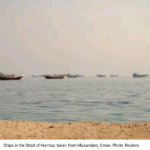
WASHINGTON, August 10 — U.S. Democratic Senator Chris Murphy has warned that the longer the conflict with Iran continues, the weaker the United States becomes while Tehran gains greater strategic leverage, arguing that Washington should prioritize ending the war and reopening the strategically vital Strait of Hormuz even if the resulting agreement falls short of a favorable deal. In an interview with NBC, Murphy said the United States should seek an immediate diplomatic path to end the conflict, stressing that the economic and strategic costs of allowing the war to drag on were rising by the day. “The war needs to end because every day that this war continues, America gets weaker and Iran gets stronger,” Murphy said, according to reports. He also pointed to rising prices for everyday goods, warning that the prolonged conflict was placing an increasing burden on American consumers as disruption around the Strait of Hormuz continues to threaten global energy supplies and international trade. Murphy said he would be prepared to support an agreement to end the conflict and reopen the strategic waterway even if he considered the terms a “bad deal,” arguing that restoring freedom of navigation and stopping the escalation should take precedence over seeking a perfect diplomatic outcome. The Strait of Hormuz, through which a significant share of the world’s oil and other energy supplies normally passes, has become a central point of concern as tensions between Washington and Tehran have intensified. Any prolonged disruption to shipping through the waterway risks putting further pressure on global oil markets, transportation costs and consumer prices, with consequences extending well beyond the Middle East. Iranian officials have reportedly sought compensation for wartime damage, the lifting of sanctions and an end to U.S. military operations as part of any potential settlement. Those demands, however, present significant political and diplomatic challenges for Washington and have contributed to uncertainty over the prospects for a broader agreement. Murphy’s comments also reflect growing concern within the U.S. political establishment over the military and financial costs of sustaining the conflict. The senator said he would not support additional funding for continuing the war, while indicating that he would support efforts to replenish U.S. weapons stocks after the conflict ends. His position underscores a distinction between supporting the restoration of America’s military readiness and providing resources for an open-ended conflict with Iran. The remarks come as international attention remains focused on the Strait of Hormuz and the wider implications of the confrontation for global energy security. A prolonged disruption could affect oil prices, shipping routes, supply chains and inflationary pressures across major economies, increasing the economic cost of the conflict at a time when governments are already facing pressure from higher living costs. For Washington, the challenge is therefore increasingly extending beyond the battlefield. The administration must weigh military objectives against the risks of a prolonged regional conflict, the depletion of weapons stocks, rising economic costs and the possibility of further disruption to one of the world’s most important maritime trade routes. Murphy’s assessment represents a sharp criticism of President Donald Trump’s approach to the conflict and a call for a diplomatic settlement rather than continued military escalation. His argument is that prolonging the war could ultimately undermine the very strategic objectives Washington seeks to achieve by imposing greater economic and military costs on the United States while giving Iran additional time to consolidate its position. As negotiations remain uncertain, the future of the Strait of Hormuz has emerged as one of the key tests of whether Washington and Tehran can move from military confrontation toward a negotiated settlement. For global markets and governments alike, the stakes are high: restoring safe navigation through the waterway could ease pressure on energy supplies and prices, while continued disruption could deepen economic uncertainty and raise the broader costs of the conflict.
Trump’s strategy for war with Iran is failing, the longer the conflict goes on, the weaker the US will be: US Senator Chris Murphy