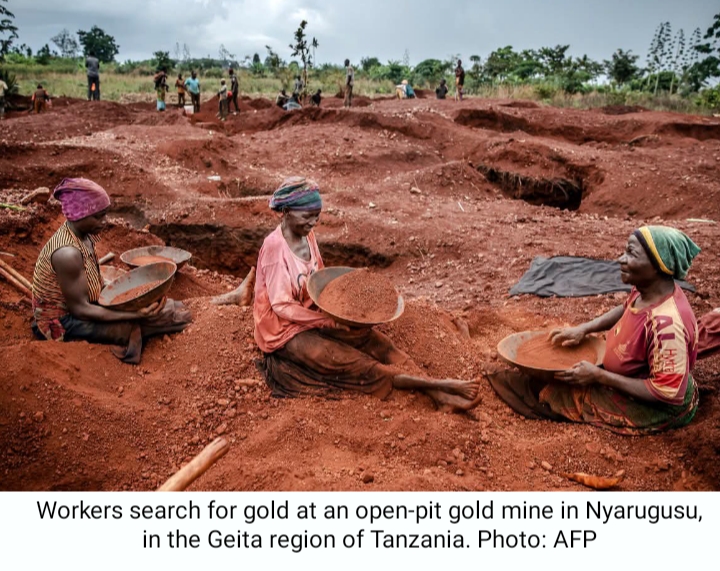
Johannesburg, South Africa — The story of Africa’s gold has long been intertwined with the legacy of Mansa Musa, the legendary 14th-century emperor of the Malian Empire, whose extraordinary wealth earned him a lasting reputation as one of the richest individuals in human history. His vast fortune was built upon the immense gold reserves of his empire, symbolizing Africa’s unparalleled natural riches. Yet, centuries later, the continent’s relationship with gold remains marked by a striking paradox. Despite possessing an estimated 40 percent of the world’s gold reserves, according to the United Nations Environment Programme (UNEP), much of the wealth generated from Africa’s gold industry continues to flow beyond its borders. While countries such as South Africa, Ghana, Mali, Tanzania, Burkina Faso, Sudan, and the Democratic Republic of the Congo rank among the world’s leading gold producers, many still struggle with poverty, unemployment, and underdevelopment. Analysts attribute this imbalance to weak governance, illicit gold smuggling, tax avoidance, foreign corporate dominance, and the limited development of local refining and value-added industries. As a result, Africa exports vast quantities of raw gold while capturing only a fraction of its true economic value. Economists argue that strengthening domestic processing, refining, manufacturing, and transparent resource governance could transform the gold sector into a powerful engine of sustainable growth, industrialization, and job creation across the continent. The legacy of Mansa Musa continues to remind the world of Africa’s immense mineral wealth, but the continent’s greatest challenge today is ensuring that its abundant natural resources translate into lasting prosperity for its own people rather than enriching economies elsewhere.
40% of the world’s gold reserves are in Africa, yet the benefits of wealth are going to others