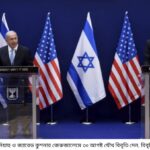
The United States has launched a fresh high-level diplomatic effort to break the deadlock over a lasting Gaza ceasefire and a political settlement, with US President Donald Trump’s Middle East envoy and son-in-law Jared Kushner holding a rare meeting on Sunday in Egypt with Hamas’s new political chief Khalil al-Hayya, a significant move in efforts to establish direct channels of communication with the group; the meeting focused on advancing the Trump administration’s 15-point Gaza roadmap and reviving stalled discussions over Hamas disarmament, an Israeli military withdrawal from Gaza, enforcement of the ceasefire and the future governance of the enclave; Kushner was joined by Board of Peace Director-General Nickolay Mladenov and former British Prime Minister Tony Blair, while Egyptian, Qatari and Turkish mediators were also involved in the wider diplomatic effort; Hamas has indicated that it is prepared to move forward with the second phase of the plan, but insists that Israel must first fulfil its commitments, halt military attacks and reduce its military presence in Gaza; Washington, meanwhile, is seeking concrete and verifiable steps from Hamas towards disarmament, making the issue one of the most difficult obstacles in the negotiations; Israeli Prime Minister Benjamin Netanyahu has rejected any withdrawal of Israeli forces before Hamas is genuinely disarmed, creating a fundamental divide between the two sides, with Hamas demanding implementation of Israeli commitments first and Israel insisting that disarmament must come before withdrawal; after the meeting in Egypt, Kushner also held talks with Egyptian President Abdel Fattah el-Sisi before travelling to Israel for discussions with Netanyahu, underscoring Washington’s effort to secure practical commitments from both Hamas and Israel; the diplomatic push comes as violence and accusations of ceasefire violations continue to undermine confidence in the process, while regional actors are urging the United States to exert greater pressure on the parties to prevent the latest initiative from collapsing; the emerging US-backed framework envisages Hamas giving up its weapons and having no future governing role in Gaza, alongside an Israeli withdrawal, international oversight, a new Palestinian administrative structure and a broader reconstruction process; yet Netanyahu’s opposition, Hamas’s conditions, continuing violence and deep mutual distrust leave the negotiations highly fragile; Kushner’s rare meeting with Hamas’s political chief therefore represents more than another round of mediation—it is a major test of whether the Trump administration can transform a fragile ceasefire into a durable political settlement; ultimately, the success of the initiative will depend on whether the parties can agree on a verifiable mechanism linking Hamas’s disarmament with an Israeli military withdrawal, determine who will govern Gaza after the war and establish credible international guarantees for implementation, without which the latest diplomatic push risks becoming another chapter in the region’s prolonged cycle of conflict and failed negotiations.
New Diplomatic Push for Gaza Peace Plan as Kushner Holds Rare Meeting With Hamas Political Chief