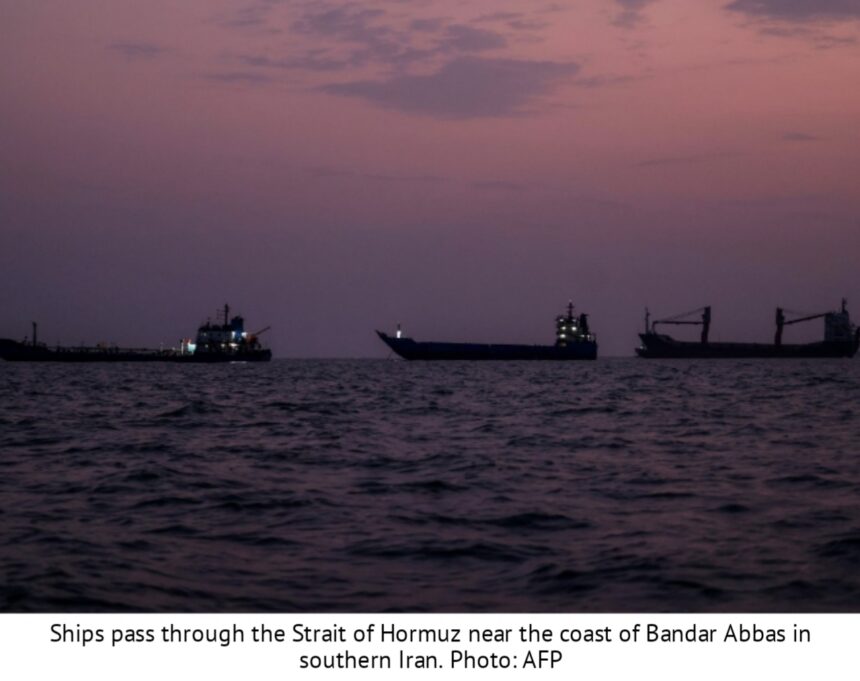
TEHRAN — Iran is preparing to introduce new restrictions on maritime traffic around the Strait of Hormuz, as tensions over the strategically vital waterway continue to escalate. Mohsen Rezaei, secretary of Iran’s Supreme National Security Council, said Tehran would announce a restricted maritime zone outside the Strait of Hormuz in the coming days and warned that any vessel attempting to transit the designated area could be placed on Iran’s sanctions list. The move would represent a further tightening of Iran’s control over one of the world’s most important energy corridors, through which a significant share of global oil and liquefied natural gas shipments normally passes. Rezaei said the proposed restrictions would be implemented as part of Iran’s broader security measures and indicated that vessels operating without coordination with Tehran could face financial and commercial consequences. The announcement comes amid heightened tensions between Iran and the United States, with competing claims over maritime security and freedom of navigation in the Persian Gulf. Any new restrictions around the Strait of Hormuz could have significant implications for international shipping, energy markets and global supply chains, particularly if major commercial carriers are forced to alter their routes or face higher insurance and security costs. The development is also likely to draw close attention from major oil-importing countries, whose economies remain sensitive to disruptions along the strategic waterway. While Tehran has repeatedly described its measures as necessary for national security, Washington and other governments have stressed the importance of keeping international shipping routes open. The coming days are therefore expected to be closely watched for details of the proposed restricted zone, its geographical limits and how Iran intends to enforce the new measures, as any confrontation involving commercial vessels could further increase the risk of a broader regional crisis.
Iran to Declare Restricted Maritime Zone Outside Strait of Hormuz