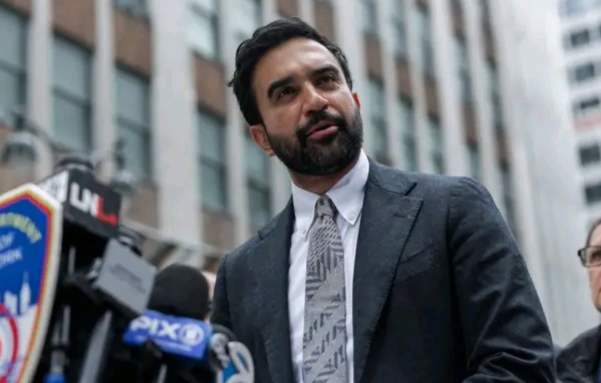
A fresh diplomatic and legal debate has emerged after New York City Mayor Zohran Mamdani said his administration is examining whether Israeli Prime Minister Benjamin Netanyahu could be arrested if he visits New York for the United Nations General Assembly in September. Speaking on a New York Times podcast, Mamdani said his administration’s legal department is discussing the issue in light of the International Criminal Court’s arrest warrant and added that, in his view, “Prime Minister Netanyahu belongs in The Hague.” While he did not specify what legal authority the city could exercise in such a case, his remarks immediately drew international attention and prompted a swift response from Israeli officials.
Israel’s Ambassador to the United Nations rejected Mamdani’s comments, stating that Netanyahu will travel to New York as planned, address the United Nations General Assembly with confidence, and present Israel’s position before the international community. The ambassador said the Israeli leader would reaffirm the country’s account of the conflict and its position that Israel has an inherent right to defend its citizens against security threats, dismissing suggestions that the visit could be disrupted by legal or political challenges.
The controversy stems from the International Criminal Court’s 2024 decision to issue arrest warrants for Prime Minister Benjamin Netanyahu and other Israeli leaders over alleged war crimes and crimes against humanity committed during and after the conflict that followed the October 7, 2023, Hamas attacks on Israel. The ICC alleges that serious violations of international humanitarian law may have occurred during Israel’s military campaign in Gaza. Israel has categorically rejected the allegations, maintains that the court lacks jurisdiction over its actions, and argues that its military operations were conducted in self-defense following the Hamas assault.
The ICC warrants have divided the international community. The United States, which is not a party to the Rome Statute establishing the ICC, has strongly criticized the court’s decision. Both President Donald Trump and former President Joe Biden publicly denounced the warrants, arguing that the move was inappropriate and reaffirming U.S. support for Israel. The latest remarks by Mayor Mamdani have therefore added another dimension to an already contentious international debate, raising questions about the relationship between international criminal justice, diplomatic immunity, the obligations of the United States as the host nation of the United Nations, and the practical enforcement of ICC arrest warrants. Although no formal legal action has been announced and it remains unclear whether any such attempt would have legal standing, the issue has once again placed the intersection of international law, diplomacy, and the Middle East conflict at the center of global attention.
Mayor Mamdani’s administration is investigating the possibility of arresting Netanyahu during his visit to New York