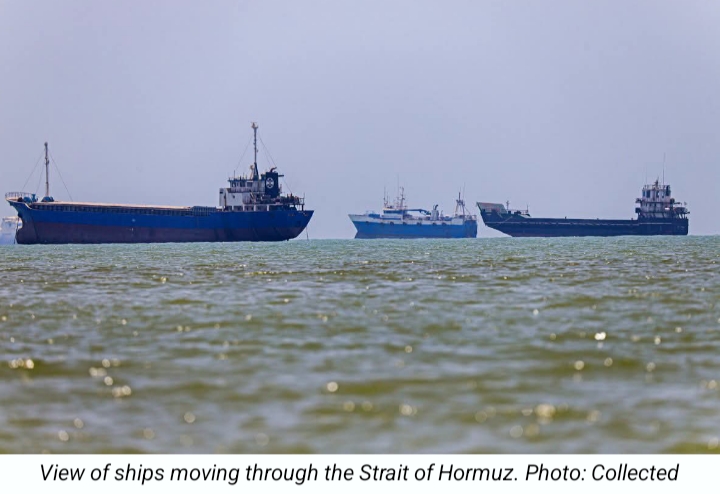
The United Nations’ International Maritime Organization has launched a major operation to evacuate more than 11,000 sailors stranded in the Strait of Hormuz following the recent understanding reached between the United States and Iran aimed at ending months of regional tensions and restoring maritime security. According to the organization, the evacuation effort is being conducted in close coordination with Iran, Oman, other coastal states in the Gulf region, the United States, and international shipping stakeholders to ensure the safe and orderly movement of vessels and crews. The Strait of Hormuz, one of the world’s most strategically important waterways, had witnessed severe disruptions after the outbreak of conflict earlier this year, leaving hundreds of commercial vessels and thousands of seafarers trapped amid growing security concerns. Maritime authorities have confirmed that all necessary safety guarantees have been secured and extensive assessments have been carried out to support the resumption of safe navigation through the vital shipping corridor. Oman’s defense authorities stated that the evacuation will be implemented in carefully managed phases to reduce the risk of accidents and vessel congestion in the waterway. Recent data indicate that commercial traffic through the strait has already begun to recover, signaling renewed confidence among global shipping operators. Meanwhile, several international partners have intensified their support for efforts to restore stability in the region, with European nations joining multinational maritime security initiatives designed to safeguard commercial navigation and protect global trade routes. Analysts view the development as a significant breakthrough for regional diplomacy and international commerce, noting that the reopening of the Strait of Hormuz could help stabilize global energy markets, strengthen supply chains, and reduce economic uncertainty caused by months of disruption. As diplomatic engagement between Washington and Tehran continues to show signs of progress, the renewed flow of maritime traffic through one of the world’s most critical energy corridors is being seen as a positive step toward regional stability, economic recovery, and the restoration of confidence in international trade and shipping operations.
UN to evacuate 11,000 sailors from Strait of Hormuz