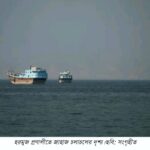
Tensions in the Gulf have escalated dramatically on the 121st day of the conflict after U.S. President Donald Trump issued one of his strongest warnings yet, declaring that the Islamic Republic of Iran would “no longer exist” if Washington is forced to resume full-scale military operations. The warning came after the United States accused Tehran of violating a ceasefire agreement through renewed attacks on international shipping in the strategically vital Strait of Hormuz. In response, U.S. Navy and Air Force fighter jets carried out coordinated strikes against multiple Iranian military targets, including missile and drone storage facilities, coastal radar installations, surveillance infrastructure, communication systems, air defense sites, and mine-laying capabilities. According to U.S. Central Command (CENTCOM), the operation was launched in retaliation for an Iranian drone attack on the Panama-flagged oil tanker M/T Kiku, which was transporting approximately two million barrels of crude oil through one of the world’s busiest energy corridors. Iranian media reported explosions in the southern regions of Sirik and Qeshm following the strikes, while CENTCOM later released military footage claiming successful attacks on ten Iranian military positions in and around the Strait of Hormuz. The latest escalation follows similar U.S. strikes conducted a day earlier in response to another alleged Iranian attack targeting the commercial vessel Ever Lovely, signaling a rapid cycle of retaliation that has further undermined diplomatic efforts to end the war launched earlier this year. With military confrontations intensifying and global energy routes once again under threat, international observers fear that continued hostilities could trigger wider regional instability, disrupt global oil supplies, and significantly increase geopolitical tensions across the Middle East.
Trump’s explosive remarks: ‘Iran will not exist’ if war breaks out again