
The recent war involving Iran has fundamentally transformed the global energy landscape, leaving governments, energy producers, and financial markets facing a new era of uncertainty. What began as a regional military confrontation quickly evolved into a worldwide economic concern, exposing the vulnerability of global oil and gas supply chains and reinforcing the strategic importance of energy security.
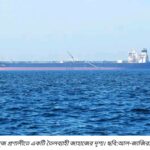
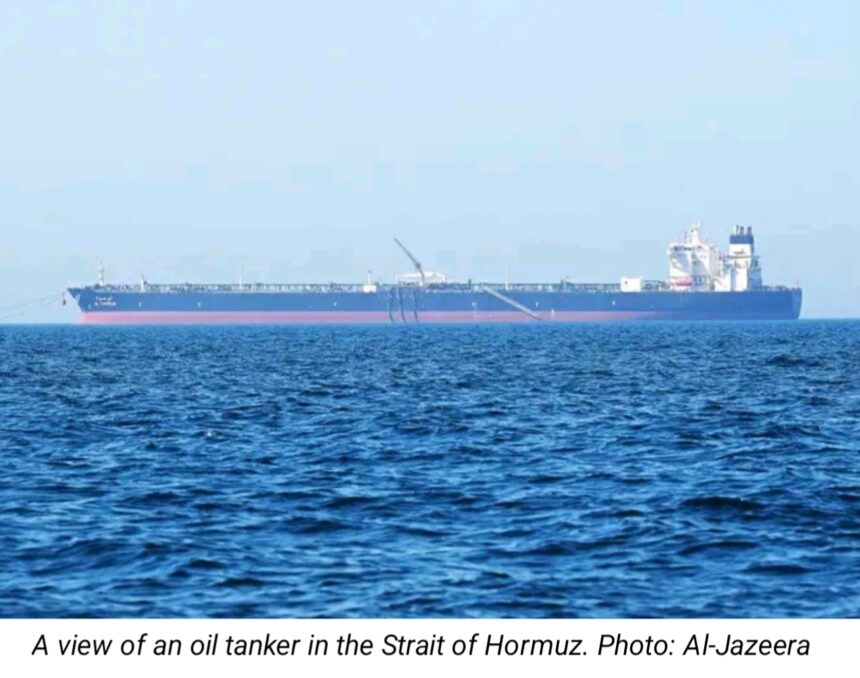
At the center of the crisis was the Strait of Hormuz, one of the world’s most critical energy chokepoints through which nearly a fifth of global oil supplies pass. As tensions escalated, fears of supply disruptions sent crude oil prices soaring, increased shipping insurance costs, and triggered volatility across international financial markets. Although prices later eased following diplomatic developments, analysts warn that the geopolitical risks remain far from over.
The conflict has accelerated a major shift in global energy strategies. Countries heavily dependent on Middle Eastern oil are expanding strategic petroleum reserves, diversifying import sources, and investing more aggressively in renewable energy, nuclear power, and alternative fuel technologies. Energy security has rapidly become a top national priority, reshaping long-term economic and foreign policy decisions across Europe, Asia, and beyond.
Industry experts believe the war has permanently altered investment trends. International energy companies are reassessing supply chains, reducing geopolitical exposure, and increasing investments in resilient infrastructure capable of withstanding future regional conflicts. Governments are also strengthening partnerships to ensure more stable and diversified energy supplies.
Despite a temporary return to market stability, economists caution that the global energy sector may never fully return to its pre-war structure. The conflict has demonstrated how a single geopolitical flashpoint can ripple across economies worldwide, affecting inflation, trade, industrial production, and consumer energy costs. For many observers, the war on Iran marks a defining turning point—one that has permanently changed the way the world thinks about energy security, economic resilience, and geopolitical risk.