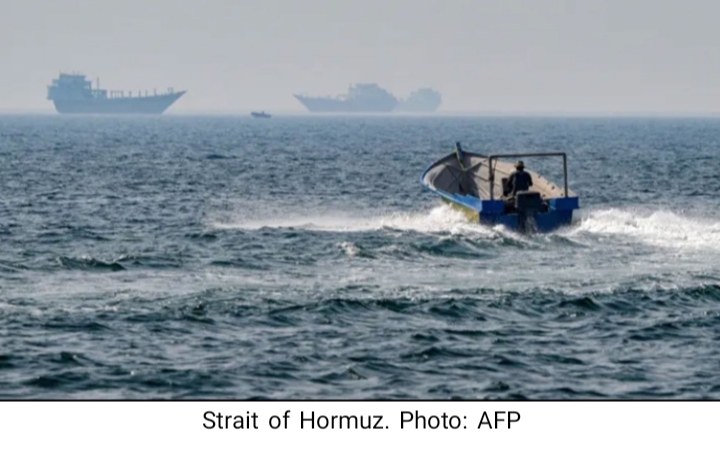
Although the United States and Iran have agreed to a ceasefire, the deadlock in ship movement through the Strait of Hormuz has not yet been resolved, dimming hopes of easing one of the worst global energy crises in history; according to ship-tracking data, only a limited number of vessels have been passing through this vital waterway even after Washington and Tehran announced a two-week ceasefire; data from market analytics firm Kpler shows that only five ships crossed the strait on Wednesday, compared to 11 the previous day and seven on Thursday; Lloyd’s List Intelligence reports that due to the effective blockage of the strait, more than 600 vessels, including 325 tankers, remain stranded in the Gulf region; according to Kpler’s trade risk analyst Ana Subasic, although some movement has resumed, overall transit remains extremely limited, and shipowners are likely to remain cautious due to security risks, with safe passage capacity expected to be capped at around 10 to 15 vessels per day even if the ceasefire holds; this is significant because the strait typically carries about one-fifth of the world’s total oil and liquefied natural gas supply, and before the conflict began on February 28, around 120 to 140 ships transited daily; meanwhile, U.S. President Donald Trump has accused Iran of failing to uphold the ceasefire terms, stating that Tehran has not ensured safe passage for energy shipments through the Strait of Hormuz; in response, Iranian Foreign Minister Abbas Araghchi blamed the United States, warning that a genuine ceasefire cannot be achieved while Israeli attacks continue in Lebanon and emphasizing that the responsibility now lies with Washington; amid this ongoing uncertainty, volatility has returned to the oil market, as prices, which had dropped following the ceasefire news, have started rising again, with Brent crude increasing to $96.39 per barrel on Friday, reflecting growing concern among investors.
Despite the ceasefire announcement, the deadlock in shipping traffic in the Strait of Hormuz has not ended