Thermonuclear weapons, commonly known as hydrogen bombs, represent the second generation of nuclear arms and are considered the most powerful weapons ever developed. Unlike conventional atomic bombs, which rely solely on nuclear fission, thermonuclear weapons combine both nuclear fission and nuclear fusion to release an enormous amount of energy. This two-stage process makes them hundreds—or even thousands—of times more destructive than the atomic bomb dropped on Hiroshima. The most powerful thermonuclear device ever tested remains the Soviet Union’s “Tsar Bomba,” demonstrating the unprecedented destructive potential of fusion-based nuclear weapons.
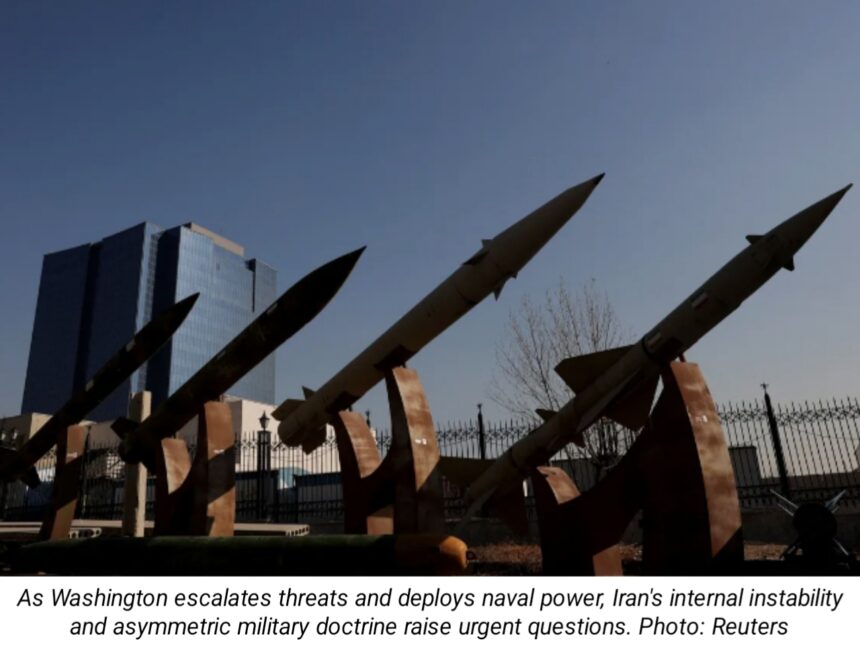
In recent years, Iran’s military infrastructure and strategic capabilities have become the focus of growing international attention. Intelligence assessments, media reports, and official statements have repeatedly suggested that Tehran has invested heavily in extensive underground military facilities designed to protect critical assets from potential air and missile strikes. These facilities are believed to include missile storage complexes, command centers, and other strategic installations constructed deep beneath mountains and fortified terrain. However, the exact scale, number, and capabilities of these underground sites remain difficult to verify independently due to the highly classified nature of such military infrastructure.
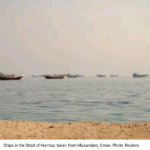
Claims have also circulated regarding a vast network of underground cities, weapons production facilities, and tunnel systems associated with Iran’s defense strategy. While some reports reference more than one hundred underground military locations, independent verification of these figures remains limited. Likewise, assertions about extensive tunnel networks beneath or around the Strait of Hormuz have not been conclusively confirmed by publicly available evidence. Analysts generally agree that Iran has prioritized hardened underground infrastructure as part of its broader military doctrine, but many of the specific numerical claims remain unverified.
The broader geopolitical environment in the Middle East continues to be shaped by tensions involving Iran, the United States, Israel, and regional allies. Concerns over Iran’s missile capabilities, nuclear program, and defensive infrastructure remain central issues in international security discussions. As competing narratives emerge from governments, intelligence agencies, and media organizations, experts emphasize the importance of distinguishing verified information from strategic messaging and unconfirmed claims. In such a sensitive security environment, careful analysis based on credible evidence remains essential for understanding the evolving regional balance of power.
New claims about Iran’s secret military infrastructure, increasing speculation around the world