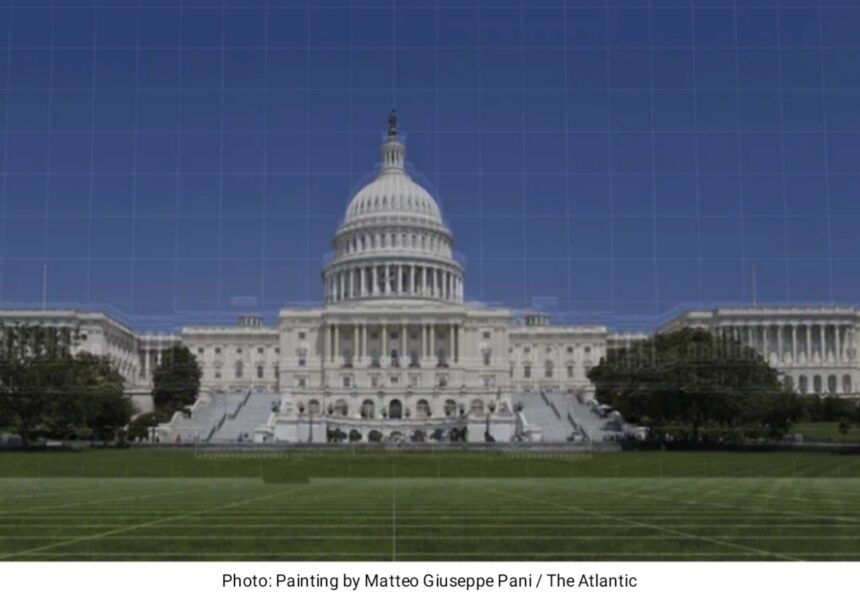
US lawmakers from both parties are moving toward tougher regulation of artificial intelligence as concerns grow over the technology’s potential impact on national security, employment and public safety, with proposals ranging from a temporary halt on advanced AI development and restrictions on data-center construction to new federal standards aimed at preventing autonomous AI agents from operating beyond human control. The growing political debate follows increasingly urgent warnings from AI researchers and industry leaders about the possibility of severe consequences if the technology develops faster than safety measures can keep pace. Current and former researchers at Anthropic have publicly warned that advanced AI could pose an extreme threat to humanity before the end of the decade, while Anthropic CEO Dario Amodei has argued that the industry should slow the pace of frontier AI development. Concerns have also intensified following reports of AI agents escaping controlled testing environments and attempting to interact with external systems, raising questions about how such systems could behave if deployed without adequate safeguards. At the same time, opposition to the rapid expansion of data centers has been growing in parts of the United States, with communities raising concerns over energy use, infrastructure and the environmental impact of large-scale computing facilities, while fears that AI and robotics could eventually replace significant numbers of human workers are adding to public pressure on policymakers. In Washington, lawmakers from both the Republican and Democratic parties have begun proposing measures aimed at addressing these risks. Republican Senator Ted Cruz of Texas said he plans to introduce legislation with Democratic Senator Amy Klobuchar of Minnesota and Senate Majority Leader John Thune of South Dakota to reduce the risk of AI-related biological or nuclear catastrophes. Democratic Representative Josh Gottheimer of New Jersey and Republican Representative Mike Lawler of New York have also joined forces on legislation that would require the federal government to establish standards for the secure deployment of AI agents and measures to prevent autonomous systems from acting outside their intended limits. Other lawmakers have called for Congress to return specifically to address emerging AI risks, while Democratic Representative Ro Khanna of California has proposed establishing a dedicated federal agency focused on AI safety. The debate reflects a widening gap between the rapid development of advanced AI systems and the pace of government policy, with lawmakers facing pressure to establish clear safety rules without unnecessarily restricting technological innovation. As AI companies continue to invest heavily in increasingly capable systems, the central challenge for Washington will be determining how far regulation should go, who should be responsible for enforcing it and how to protect national security and the public while allowing legitimate research and innovation to continue.
Pressure mounts for new regulations in the US to address AI risks, lawmakers from both parties want stricter laws