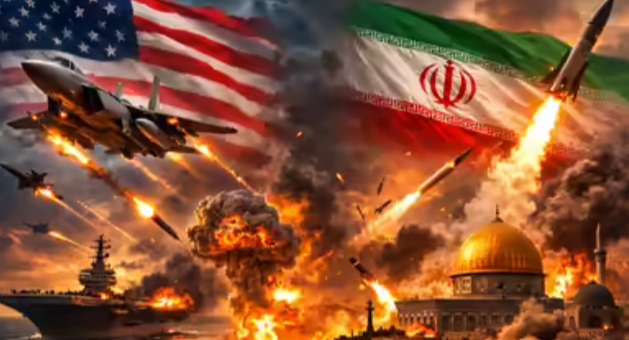
International Desk: The 60-day memorandum of understanding (MoU) between the United States and Iran is approaching its expiration on August 16, with negotiators from Tehran and Washington racing to reach a comprehensive agreement before the deadline. Despite ongoing diplomatic engagement, significant disagreements remain over several key provisions, raising concerns that the collapse of the framework could trigger a new and potentially more devastating military confrontation. Regional analysts warn that failure to secure a final deal would not only threaten relations between the two countries but could also destabilize the wider Middle East, disrupt global energy markets, and increase geopolitical tensions. Mustafa Khoshcheshm, a professor at the Tehran University of Applied Science and Technology, cautioned that the possibility of another war cannot be ruled out if the memorandum fails. He argued that if Washington does not honor the agreed framework, Iran could face a third major conflict, one that could prove even more destructive than the previous rounds of fighting. According to analysts, the 13-day war in 2025 between Iran and the United States-Israel alliance, followed by the intense 40-day conflict that began on February 28, 2026, significantly reshaped the region’s security landscape. They believe another escalation could have far-reaching consequences, affecting maritime security, international trade routes, oil supplies, financial markets, and overall regional stability. Iranian officials, however, continue to insist that Tehran remains committed to diplomacy and seeks a durable agreement capable of reducing tensions and preventing further confrontation. As the August 16 deadline draws near, international attention is focused on whether both sides can bridge their remaining differences through negotiations or whether the region could once again face the prospect of a broader and more dangerous conflict with global implications.
Fears of a third war between Iran and the US if the memorandum of understanding collapses