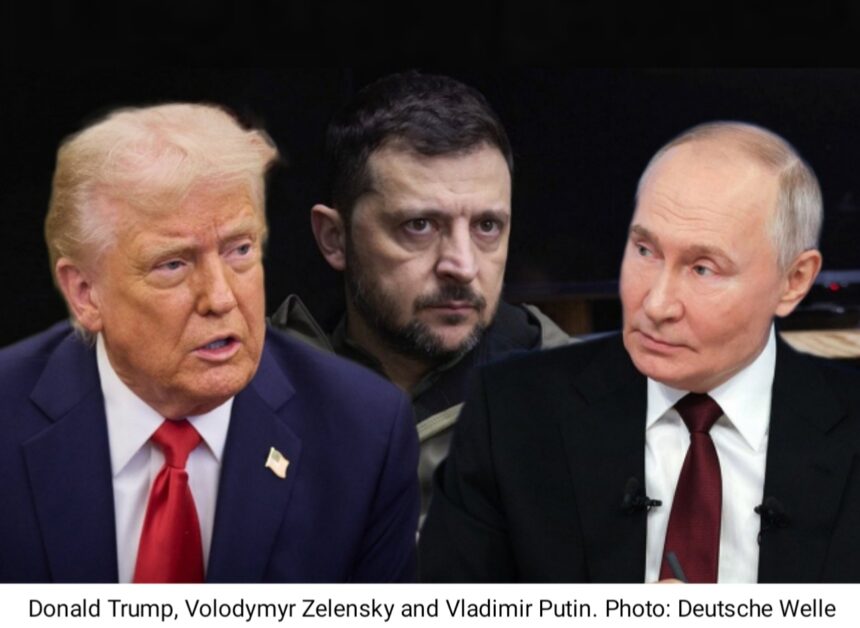
of any potential settlement. Lavrov said Russian President Vladimir Putin had previously told US President Donald Trump that Moscow was prepared to support a peace proposal put forward by Washington, although some issues would require further negotiations. US Secretary of State Marco Rubio has rejected the suggestion that such an understanding had been reached, arguing that if an agreement had existed, the war would already have ended. Lavrov also said Moscow would be prepared to receive Trump’s envoys again if they returned to Russia to discuss Ukraine, but stressed that the key question would be what proposals they bring with them. At the same time, the Russian foreign minister warned that Moscow would intensify efforts to destroy Western weapons and military equipment being supplied to Ukraine. He argued that Western support was helping keep Ukraine’s military machine operating and said Russia would continue targeting the supply networks and equipment sustaining Kyiv’s war effort. Ukraine, meanwhile, continues to receive military assistance from the United States and European allies, but Kyiv has repeatedly warned of shortages in air-defence systems needed to counter Russian missile and drone attacks. Ukrainian President Volodymyr Zelenskyy has appealed to Washington for additional Patriot air-defence missiles, saying a limited share of the US stockpile could significantly strengthen Ukraine’s ability to withstand Russia’s growing ballistic-missile attacks. Zelenskyy has said that receiving 5 per cent of the US Patriot stockpile would help Ukraine survive the coming winter and save lives, while 10 per cent could enable Kyiv to intercept a much larger share of Russian ballistic missiles. The competing claims underscore the widening political and military confrontation between Russia and the United States over the war in Ukraine. Moscow argues that American intelligence and military assistance is enabling Kyiv to sustain a prolonged conflict against Russia, while Ukraine maintains that Western weapons are essential to defending itself against Russian attacks. Lavrov’s latest comments suggest that Moscow is seeking direct explanations from Washington over alleged US involvement in Ukrainian strikes while keeping open, at least in principle, the possibility of renewed diplomatic engagement. Yet fundamental differences over security guarantees, military assistance, territory and the conditions for ending the war remain unresolved, leaving any rapid breakthrough in peace negotiations uncertain.**
Lavrov’s explosive accusation: US involved in Ukraine attack deep inside Russia