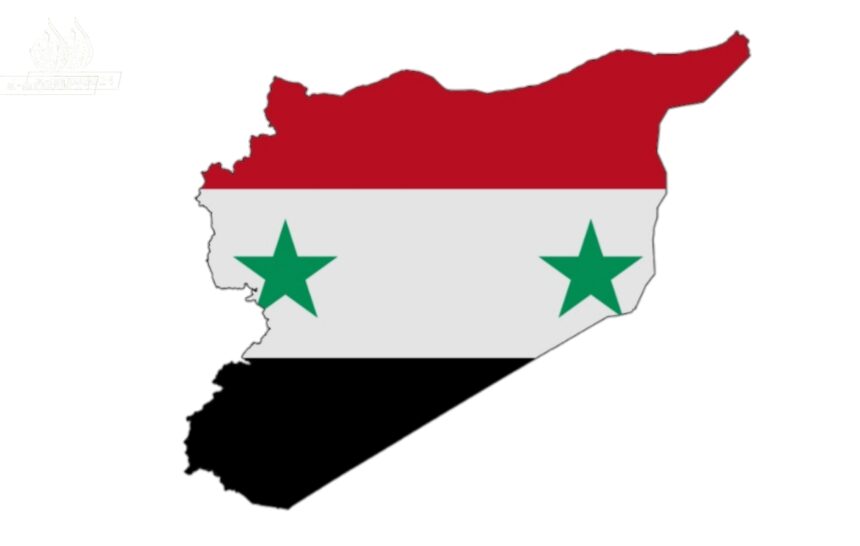
The latest Israeli artillery strikes inside Syria—described by some observers as the first such attacks since the aftermath of the 1973 Yom Kippur War—have once again drawn international attention to a conflict that extends far beyond Syria’s borders. For many analysts, these developments are not viewed as isolated military operations but as part of a broader strategic competition involving Israel, Iran, Türkiye, the United States, Russia, and a range of regional and non-state actors. Within this perspective, Syria represents one arena in a much larger geopolitical contest over influence, security, and the future balance of power in the Middle East. Supporters of this analysis argue that modern conflicts increasingly combine military pressure with economic sanctions, diplomatic leverage, intelligence operations, media narratives, and political influence campaigns. They point to historical cases in which external powers have supported opposition groups, imposed sanctions, promoted governance and human rights agendas, or encouraged political transitions, while critics counter that each case has unique domestic causes and cannot be explained solely through foreign intervention. Debates surrounding regime change remain deeply contested, with differing interpretations of events in countries such as Syria, Libya, Iraq, Ukraine, Tunisia, and Egypt. Some analysts argue that governments replacing previous regimes often remain vulnerable to continued external pressure unless they align with the strategic interests of more powerful states, while others emphasize domestic governance failures, corruption, and popular grievances as the principal drivers of instability. In Syria, recent developments have also renewed concerns over the country’s territorial integrity. Observers note that the country’s complex ethnic and religious composition—including Arabs, Kurds, Druze, Alawites, Christians, and other communities—creates opportunities for both coexistence and fragmentation depending on political circumstances. Some geopolitical commentators warn that prolonged instability could encourage new autonomous zones or de facto partitions similar to historical precedents elsewhere, although no such outcome is predetermined. The relationship between Israel and Syria’s Druze population has also become a subject of growing discussion following recent security incidents and cross-border tensions, with analysts offering sharply different interpretations of Israel’s strategic intentions. At the same time, broader regional dynamics continue to be shaped by the long-running rivalry between Iran and Israel, the influence of Hezbollah, shifting U.S. policies, Russian involvement, and the calculations of Gulf states. Intelligence operations, long-term influence campaigns, and efforts to cultivate local partners are widely regarded by security experts as central features of modern geopolitical competition, often unfolding over decades rather than years. Another frequently discussed issue is the role of sectarian polarization. Many regional specialists argue that deepening divisions between Sunni and Shia communities have repeatedly weakened regional stability, creating opportunities for external actors to expand their influence. Others caution against reducing the Middle East’s complex political landscape solely to sectarian dynamics, emphasizing that nationalism, economic hardship, governance, and regional rivalries are equally significant factors. Ultimately, Syria remains one of the world’s most strategically contested states, and its future will likely depend on a combination of internal political reconciliation, regional diplomacy, and the evolving policies of global powers. While predictions of territorial fragmentation or long-term geopolitical realignment remain speculative, the country’s trajectory continues to carry profound implications for the wider Middle East, making Syria a focal point of one of the most consequential geopolitical struggles of the twenty-first century.
Middle East power struggle: New equations surrounding Syria