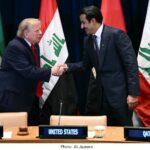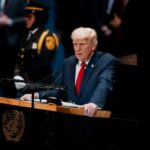
WASHINGTON — US President Donald Trump has indicated that his upcoming meeting with Israeli Prime Minister Benjamin Netanyahu will take place against the backdrop of one of the most volatile periods in the Middle East in recent years, with conflicts in Gaza, regional security concerns, Iran’s growing influence, and diplomatic efforts to prevent a wider war expected to dominate the agenda. Speaking ahead of the talks, Trump suggested that Washington remains deeply engaged in shaping the next phase of regional diplomacy while maintaining close coordination with Israel on security matters. The meeting comes as international concern continues to mount over the humanitarian situation in Gaza, where ongoing military operations have resulted in widespread destruction, large-scale displacement, and increasing calls from the United Nations and humanitarian organisations for an immediate and lasting ceasefire. At the same time, the United States faces growing diplomatic pressure from both allies and critics to pursue a balanced approach that addresses Israel’s security concerns while ensuring the protection of civilians and facilitating unrestricted humanitarian assistance. Analysts believe the Trump-Netanyahu discussions are likely to examine options for securing hostage releases, expanding humanitarian aid corridors, preventing further regional escalation involving Iran-backed armed groups, and strengthening intelligence and defence cooperation between Washington and Jerusalem. The leaders are also expected to exchange views on the future of post-war governance in Gaza, the role of Arab states in reconstruction efforts, and broader regional initiatives aimed at reviving diplomatic engagement and normalisation between Israel and neighbouring countries. The meeting is being closely watched by governments across Europe, the Gulf, and Asia, as its outcome could influence future US foreign policy priorities, regional military calculations, and international diplomatic efforts to reduce tensions across the Middle East. Political observers note that any agreements or policy signals emerging from the talks may have far-reaching consequences for regional stability, energy markets, global security, and the broader geopolitical balance at a time when multiple conflicts continue to reshape international relations. While expectations remain cautious, the discussions are widely viewed as a significant opportunity for Washington and Israel to coordinate their strategies on some of the region’s most pressing challenges, with the international community closely monitoring whether the meeting will produce tangible diplomatic progress or reinforce existing policy positions amid an increasingly complex and uncertain geopolitical environment.
From Gaza to regional security—Trump’s statement makes the meeting’s agenda clear