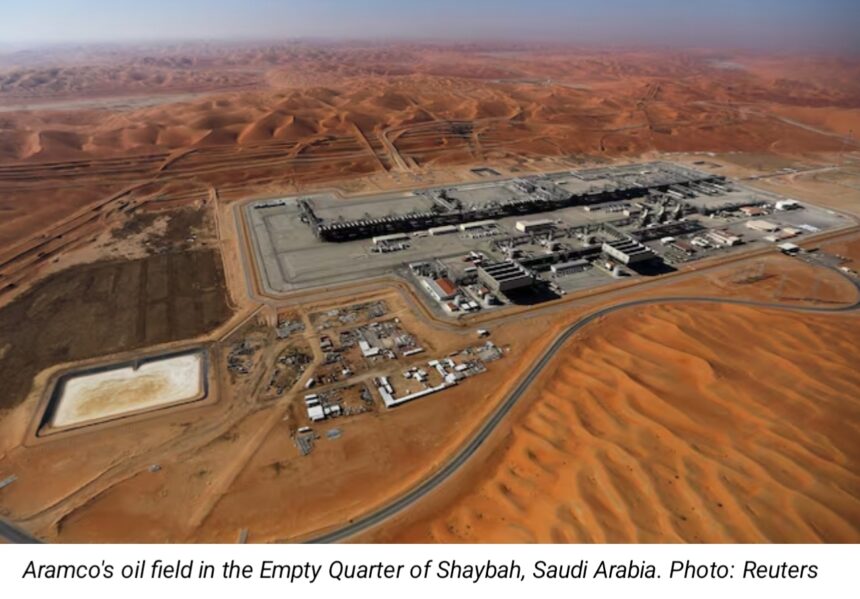
International Desk: Saudi Arabia is considering a major expansion of its strategic East-West crude oil pipeline as part of a long-term plan to strengthen energy security and reduce dependence on the Strait of Hormuz, according to multiple sources familiar with the matter. The proposed project could increase the pipeline’s capacity by up to 2 million barrels per day, enabling significantly larger volumes of crude oil to be transported from the Kingdom’s eastern oil fields to export terminals on the Red Sea without passing through one of the world’s most sensitive maritime chokepoints. Built in the early 1980s, the East-West pipeline has become increasingly important amid regional conflicts and heightened security risks affecting shipping in the Gulf, providing Saudi Arabia with a vital alternative export corridor during periods of geopolitical instability. Sources also said preliminary discussions have taken place with neighboring Gulf countries over the possibility of linking future infrastructure, potentially allowing additional regional producers to export crude through the Red Sea and further diversify regional energy routes. Energy analysts believe the expansion reflects Riyadh’s broader strategy to safeguard uninterrupted oil exports, strengthen supply chain resilience, and reinforce its position as one of the world’s most reliable energy suppliers. With a substantial share of globally traded crude oil normally passing through the Strait of Hormuz, any disruption can trigger volatility in international oil prices and threaten global energy security. Expanding the East-West pipeline would significantly reduce those risks by providing greater flexibility, increasing export capacity, and ensuring continued deliveries to customers across Europe, Asia, and other international markets. Although Saudi authorities have not officially confirmed the project or released details regarding its timeline, cost, or final design, industry experts say the proposed expansion could become one of the Middle East’s most strategically important energy infrastructure developments in recent years, strengthening the Kingdom’s geopolitical influence while helping stabilize global oil markets during periods of regional uncertainty.
Saudi Arabia seeks alternative to Hormuz crisis, increases capacity of East-West oil pipeline