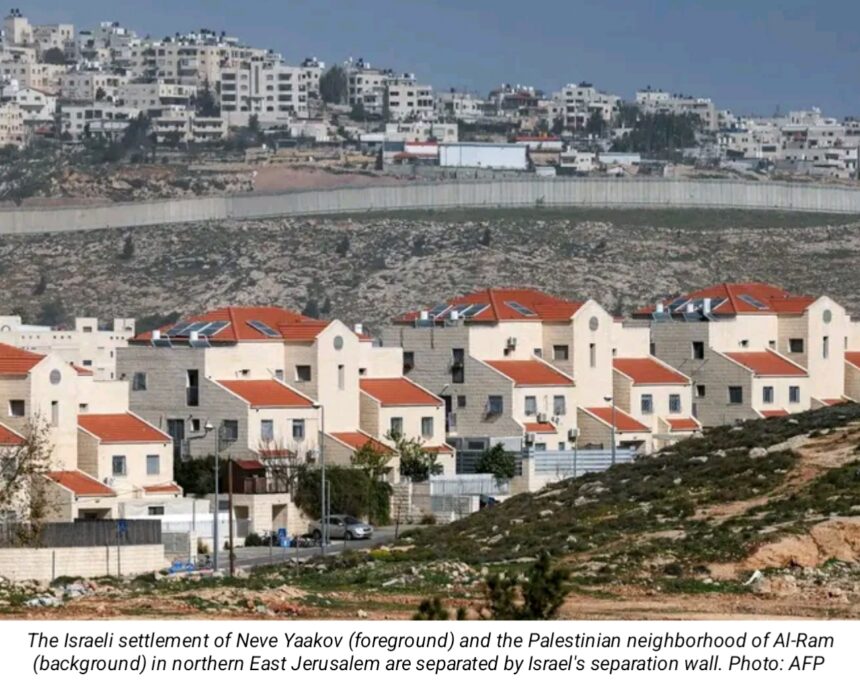
Several European Union member states are intensifying discussions over imposing sanctions on goods and commercial activities linked to Israeli settlements in the occupied Palestinian territories, reflecting growing political pressure within Europe to align trade policy with international law. The proposed measures, which remain under discussion among EU governments and institutions, are aimed at restricting or prohibiting imports originating from Israeli settlements that the European Union considers illegal under international law. Supporters of the initiative argue that allowing continued trade with settlement businesses undermines the EU’s long-standing commitment to the rules-based international order and weakens its position on the Israeli-Palestinian conflict. They maintain that economic measures targeting settlements—not Israel itself—would reinforce existing EU policy distinguishing the internationally recognized territory of Israel from occupied territories captured in 1967. The debate has gained renewed momentum amid heightened international scrutiny of the humanitarian situation in Gaza and the expansion of Israeli settlements in the West Bank, issues that have prompted calls from human rights organizations, legal experts, and several European governments for stronger action. While some EU member states favor tougher economic restrictions, others remain cautious, citing concerns over diplomatic relations, legal complexities, and the potential impact on regional stability and broader EU-Israel cooperation. Any significant trade sanctions would require extensive negotiations and, depending on the legal framework adopted, could require broad political agreement among member states. Israel has consistently rejected the characterization of the settlements as illegal, arguing that the status of the territories should be resolved through direct negotiations with the Palestinians, and has criticized efforts to impose economic measures against settlement-related trade as discriminatory and politically motivated. Palestinian officials, meanwhile, have welcomed discussions on potential sanctions, arguing that increased international economic pressure is necessary to deter settlement expansion and uphold international law. Analysts note that even if comprehensive sanctions are not immediately adopted, the ongoing debate signals a noticeable shift within parts of Europe toward considering stronger economic tools in response to developments in the occupied territories. The outcome of the discussions could have significant implications for EU-Israel relations, regional diplomacy, and the broader international debate over accountability, trade policy, and the future of the Israeli-Palestinian peace process.
EU on verge of new decision on illegal settlement products in Palestinian territories