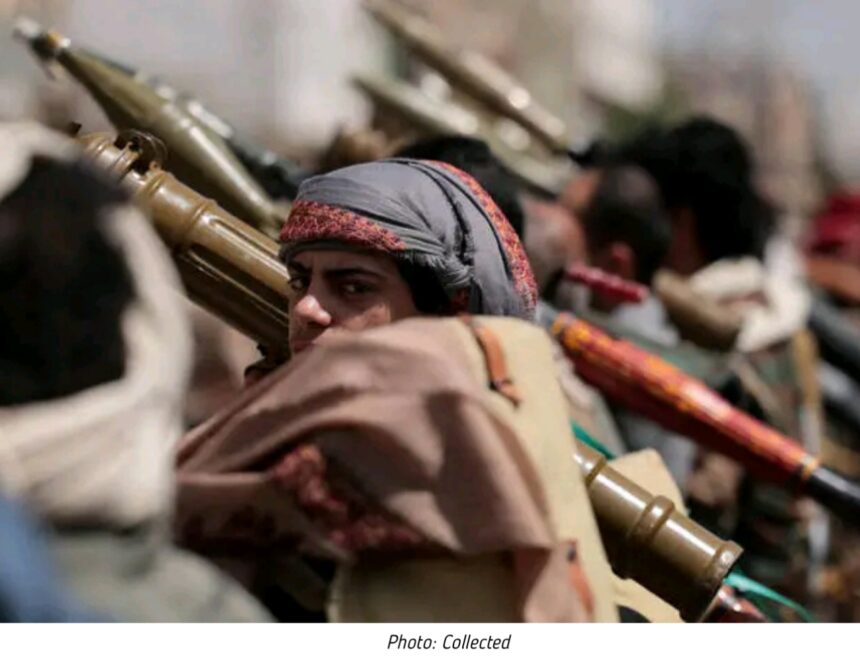
Iran has significantly expanded its military support for Yemen’s Houthi movement by reportedly flying senior Islamic Revolutionary Guard Corps (IRGC) commanders, military advisers, and missile- and drone-related equipment into Houthi-controlled territory, according to multiple sources familiar with the operation. The reported deployment is aimed at strengthening the Houthis’ ability to target commercial shipping routes in the Red Sea and the strategically vital Bab al-Mandab Strait, one of the world’s busiest maritime trade corridors. Sources say the aircraft, which initially headed for Sanaa before diverting to Hodeidah, carried IRGC personnel alongside advanced military equipment intended to improve the Houthis’ missile capabilities and operational effectiveness. The reported transfer comes amid rapidly escalating regional tensions involving Iran, the United States, Israel, and Saudi Arabia, raising fresh concerns that the conflict could further disrupt global energy markets and international shipping. Analysts believe the deployment reflects Tehran’s determination to reinforce its regional allies despite mounting international pressure and ongoing military confrontations across the Middle East. Shortly after the reported arrival of the Iranian personnel and equipment, the Houthis intensified threats against Red Sea navigation, including announcing restrictions on maritime traffic and carrying out attacks that heightened fears over the security of one of the world’s most critical trade routes. Western and regional intelligence officials argue that the deployment demonstrates a deeper level of Iranian operational involvement than previously acknowledged, with advisers expected to provide technical training on advanced missile systems and drone operations. Tehran, however, has rejected accusations that it transferred military equipment, insisting the flight was conducted for humanitarian and logistical purposes, including transporting Houthi representatives and civilians. The developments have intensified diplomatic concerns among regional governments and global powers, who warn that any sustained disruption to Red Sea shipping could have far-reaching consequences for global supply chains, oil exports, insurance costs, and international commerce. Security experts caution that a prolonged escalation could increase the risk of direct confrontation between Iran and its regional adversaries while further destabilizing an already volatile Middle East.
Houthis’ capabilities are growing with Iranian military support, global trade in fear