RIYADH — Saudi Arabia is accelerating efforts to expand its civil nuclear energy programme as part of a broader strategy to strengthen energy security, diversify its economy and build advanced technological capabilities under its Vision 2030 agenda. According to multiple reports, the Kingdom is pursuing plans to develop up to 16 new nuclear reactors over the coming years, a move that could significantly reshape the country’s long-term energy mix and industrial landscape.
The reported initiative reflects Riyadh’s ambition to reduce its reliance on oil for domestic electricity generation while meeting rapidly growing energy demand through a combination of nuclear and renewable energy sources. Saudi officials have consistently argued that developing a peaceful nuclear programme is essential to supporting economic growth, industrial expansion and long-term energy sustainability.
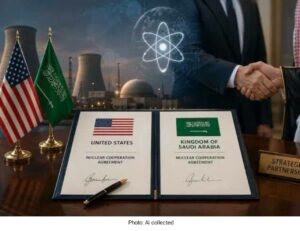
As part of the programme, Saudi Arabia is reportedly expanding cooperation with several international partners, including South Korea, China, France and Russia, in areas such as reactor technology, uranium-related expertise, engineering, scientific research and workforce development. Reports have also indicated continuing discussions with the United States over broader civil nuclear cooperation, although the scope and status of any agreement remain subject to official confirmation.
Energy analysts say the programme extends well beyond electricity generation. It is intended to establish a domestic nuclear industry capable of supporting advanced manufacturing, scientific innovation, technical education and specialised engineering. By developing local expertise and industrial capacity, Saudi Arabia aims to reduce dependence on imported technologies while creating highly skilled employment opportunities for future generations.
Experts also note that increasing nuclear power generation could allow the Kingdom to conserve larger volumes of crude oil and natural gas currently used for domestic power production, enabling greater energy exports and strengthening long-term economic resilience. The strategy aligns with Saudi Arabia’s wider objective of transforming itself into a diversified, knowledge-based economy driven by technology and innovation.
At the same time, international observers stress that any expansion of Saudi Arabia’s civil nuclear programme will be closely watched under global non-proliferation frameworks. Compliance with the safety standards and safeguards of the International Atomic Energy Agency (IAEA), along with transparency in the development of nuclear infrastructure, will remain critical to maintaining international confidence in the programme.
If implemented as envisioned, Saudi Arabia’s reported reactor programme would represent one of the largest civil nuclear development initiatives in the Middle East. Beyond strengthening domestic energy security, it could enhance the Kingdom’s position as a regional hub for advanced technology, scientific research and high-value industrial development. However, analysts caution that the scale, timeline and international partnerships associated with the reported plans will ultimately depend on official government decisions, regulatory approvals and confirmed agreements with participating countries.
Saudi Arabia moves ahead with 16 nuclear reactor plans to boost energy security and technological transformation