RIYADH, October 21, 2026 — Saudi Arabia’s aviation sector is facing significant disruption following escalating regional tensions and reported attacks attributed to Yemen’s Houthi movement, Ansar Allah, with commercial flight cancellations, rising private jet charter costs and alternative travel arrangements adding to concerns about the kingdom’s security environment.
According to a report published by the Financial Times, demand for private aircraft departing Saudi Arabia has increased as wealthy travellers and business executives seek alternative ways to reach Europe and other destinations. The disruption has sharply increased the cost of private aviation, while the reduced availability of aircraft and rising war-risk insurance premiums have added further pressure to charter prices.
The developments have raised questions about the potential economic consequences of prolonged instability in one of the Middle East’s largest economies. They have also renewed attention on Crown Prince Mohammed bin Salman’s security and economic policies, particularly the government’s ambition to position Saudi Arabia as a major international destination for investment, tourism and global business.
Private jet costs climb as demand increases
The clearest indication of the pressure on Saudi Arabia’s aviation market is the sharp increase in private jet charter prices.
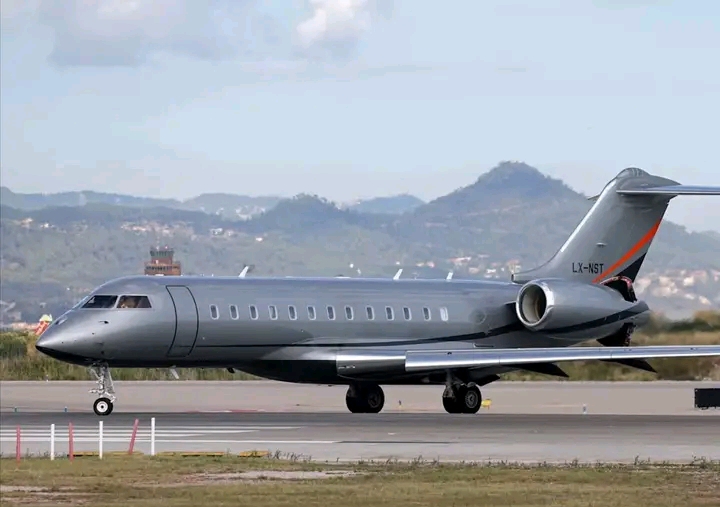
According to the Financial Times, a private flight from Al-Qassim Airport, north of Riyadh, to Geneva recently cost approximately €94,000 on a Bombardier Global 6000 aircraft capable of carrying around 14 passengers. The comparable journey had previously cost about €60,000 before the closure of Riyadh’s main airport disrupted commercial aviation and increased demand for alternative flights.
The increase reflects more than a sudden rise in passenger demand. Private aviation companies are also dealing with a smaller pool of available aircraft, greater operational uncertainty and higher insurance costs for flights operating in areas affected by conflict.
Charles Robinson, founder of the private aviation booking platform EnterJets, told the Financial Times that private flights from Saudi Arabia to European Union destinations could cost as much as $150,000 in some cases. Flights to the United Arab Emirates were reportedly priced between $30,000 and $50,000, depending on the route and aircraft arrangements.
These figures illustrate how quickly travel costs can change when security concerns restrict ordinary transport options. They do not, however, establish that all wealthy Saudi citizens are leaving the country or that every private flight is carrying passengers seeking to escape the kingdom.
For travellers who need to leave at short notice, the availability of an aircraft may matter more than the price. For others, the cost of a private charter may make departure financially impractical, particularly when commercial services remain disrupted.
More than 5,500 departing flights reportedly cancelled
The private aviation surge is taking place against a broader disruption to commercial air travel.
Aviation analytics company Cirium, cited in reporting by the Financial Times and other outlets, recorded more than 5,500 cancelled departing flights from Saudi airports since the latest wave of attacks began. Several international airlines have suspended or postponed services to the kingdom, reducing the number of conventional options available to passengers.
Riyadh’s King Khalid International Airport has been at the centre of the disruption. Reports have linked the interruption to repeated security incidents and missile threats involving the Saudi capital. The situation has affected airlines, passengers, airport operations and companies whose employees depend on regular international connections.
The cancellation figure should not be interpreted as proof that every international airline has stopped all services to Saudi Arabia. Airline decisions differ by route, airport and date, while restrictions and operating conditions can change as security assessments are updated.
The aviation disruption is nevertheless significant. Riyadh is a major gateway for government officials, international companies, investors and business travellers. Extended interruptions can delay meetings, affect supply chains and complicate the movement of personnel at a time when Saudi Arabia is seeking to attract greater international investment.
Travellers look beyond Riyadh for alternatives
With flights from the capital disrupted, some travellers have reportedly turned to Al-Qassim Airport, located more than 320 kilometres from Riyadh, to arrange private flights.
Others have travelled by road to neighbouring Bahrain and Qatar in an effort to access commercial aviation services. The routes offer an alternative for passengers who cannot secure private aircraft or who are unwilling to pay the sharply increased charter prices.
Such arrangements demonstrate how a crisis affecting one major airport can create pressure across a wider regional transport network.
However, travelling overland does not automatically guarantee an onward flight. Passengers must still consider border requirements, road conditions, airline availability and the security situation in neighbouring countries. The practicality of these routes can also change quickly as governments and airlines respond to new developments.
For international businesses, the problem extends beyond individual travel plans. Companies operating in Riyadh may need to review emergency arrangements for senior staff, contractors and other personnel whose work requires regular international movement.
The Financial Times has reported that some companies have been considering alternative arrangements for employees based in Saudi Arabia, including relocation to other regional business centres or a return to their home countries.
Such decisions do not necessarily indicate a permanent withdrawal from Saudi Arabia. Temporary relocation may be a precaution designed to maintain business continuity while companies assess the risks.
War-risk insurance adds to the cost
Aviation insurance has emerged as another factor behind the rise in private jet prices.
Aircraft operating in conflict-affected areas face additional risks, and insurers may increase premiums or impose specific conditions on flights to and from affected destinations. Operators may also decide that particular routes are no longer commercially viable.
When fewer aircraft are available, prices can rise even without a proportionate increase in the number of passengers. In the current situation, higher demand and reduced supply appear to be reinforcing each other.
The effect can be particularly severe for long-distance private flights, where aircraft availability, crew arrangements, fuel requirements and insurance costs all influence the final price.
For passengers accustomed to using private aviation, a charter may remain the fastest available option. For companies and individuals with less flexible budgets, however, the cost can make evacuation or relocation considerably more difficult.
The pressure on private aviation also highlights a wider weakness in emergency transport planning: access to alternative aircraft is limited, and the cost of obtaining them can rise rapidly when many travellers seek to leave at the same time.
Security concerns challenge Saudi Arabia’s economic ambitions
The latest aviation disruption comes at a sensitive time for Saudi Arabia’s economic transformation programme.
Under Crown Prince Mohammed bin Salman, the kingdom has pursued an ambitious effort to diversify its economy beyond oil. The government has promoted tourism, international investment, entertainment, infrastructure development and the expansion of its aviation sector as part of its broader Vision 2030 agenda.
The success of these plans depends partly on the perception that Saudi Arabia is a dependable place to conduct business, organise international events and move people and capital across borders.
A prolonged security crisis could complicate those efforts. Travel disruptions can discourage conference attendance, increase insurance costs, delay corporate decisions and prompt companies to reconsider the location of important meetings.
Aviation problems can also affect tourism and hospitality, particularly when travellers are uncertain about whether flights will operate as scheduled.
Saudi Arabia has substantial financial resources and an established economic base, so the current disruption alone does not establish that the kingdom is facing a broader economic collapse. The longer-term effects will depend on the duration of the crisis, the extent of physical damage, the reliability of transport links and the government’s response.
Nevertheless, the episode illustrates the economic consequences that can follow when security risks affect the movement of people and international business.
Is the crisis weakening confidence in Mohammed bin Salman’s leadership?
The growing cost of private aviation has prompted questions about whether wealthy residents and international executives remain confident in the kingdom’s immediate security outlook.
It would be premature, however, to conclude that Saudi Arabia’s wealthy elite are collectively abandoning the country or that their travel decisions amount to a rejection of Mohammed bin Salman’s leadership. The available reporting documents rising charter prices, disrupted flights and efforts by some travellers and companies to find alternatives. It does not establish the political motivations of every passenger.
For some travellers, the decision to leave may be temporary and precautionary. Others may have business commitments elsewhere or may simply be seeking a more reliable route home while commercial services remain uncertain.
Even so, the ability of residents, investors and companies to travel safely is an important part of confidence in any major economic centre. If disruptions continue, questions about emergency preparedness, infrastructure resilience and the management of regional security could become more prominent.
The Saudi government faces the challenge of reassuring residents and international partners while protecting critical infrastructure and restoring dependable air connections.
Yemen conflict and the risks of further escalation
The latest disruption also highlights the wider consequences of the conflict involving Saudi Arabia and Yemen’s Houthi movement, Ansar Allah.
The confrontation has a long history, including Saudi Arabia’s military intervention in Yemen in 2015 in support of the internationally recognised Yemeni government after the Houthis seized the capital, Sanaa. Years of fighting have contributed to a prolonged humanitarian and security crisis.
The latest reported attacks and aviation restrictions demonstrate how regional hostilities can affect civilian infrastructure and international commerce far beyond the immediate battlefield.
Any assessment of responsibility for individual incidents must rely on verified evidence and credible reporting. Claims by armed groups, official statements and reports of damage should be examined separately rather than treated as interchangeable forms of confirmation.
The potential for further escalation remains a major concern because attacks on airports and other civilian infrastructure can disrupt transportation, raise insurance costs and increase pressure on neighbouring countries.
Diplomatic engagement could help reduce these risks. Communication channels, negotiated security arrangements and efforts to prevent attacks on civilian facilities could create opportunities to limit the economic and humanitarian consequences of continued confrontation.
A political settlement would not necessarily resolve every underlying dispute, but reducing the threat to civilian infrastructure could help restore confidence in regional transport and commerce.
Diplomacy or continued confrontation?
Saudi Arabia’s immediate priority is to restore reliable air travel, protect civilians and reassure international businesses that the country can manage the security challenges it faces.
The government must also consider how its regional strategy affects the economic objectives it has set for the kingdom. Military preparedness may be part of national security planning, but prolonged confrontation can impose costs on infrastructure, business activity and public confidence.
A diplomatic approach toward Yemen could form part of a wider effort to reduce the risk of further attacks and create conditions for more stable regional relations. Any negotiations would involve difficult political and security questions, and their outcome cannot be assumed.
For international investors, the key issue will be whether the disruption remains temporary or develops into a longer period of uncertainty. The restoration of commercial flights, the return of major airlines and the normalisation of private charter prices would provide useful indicators of improving conditions.
Until those changes become clear, businesses and travellers are likely to continue monitoring airline announcements, official travel advisories and developments affecting regional security.
What happens next?
The rise in private jet charter prices offers a measurable indication of the pressure currently facing Saudi Arabia’s aviation market. The reported increase from approximately €60,000 to €94,000 for a 14-seat flight from Al-Qassim to Geneva reflects the combined effects of limited aircraft availability, heightened demand and greater operational risk.
The reported cancellation of more than 5,500 departing flights further demonstrates the scale of the disruption, although flight schedules and operating conditions remain subject to change.
What these figures do not establish is whether Saudi Arabia’s wealthy population is engaged in a mass departure or whether the government has lost the confidence of its economic elite. Those conclusions would require additional evidence, including reliable data on passenger movements, residency changes and corporate relocation decisions.
The broader implications are clearer. Security threats affecting major airports can quickly become an economic problem, increasing the cost of travel and complicating the work of companies that depend on international connectivity.
For Mohammed bin Salman’s government, the challenge is to contain the security crisis while preserving the conditions needed to attract investment and sustain economic diversification.
Whether that can be achieved through security measures alone or will require a stronger diplomatic effort remains an open question. The course of the conflict with Yemen, the reliability of Saudi Arabia’s aviation network and the response of international businesses will help determine how serious the longer-term consequences become.
For now, the surge in private aviation costs is a warning of the economic pressure created by regional instability. It is not, by itself, proof of a mass exodus from Saudi Arabia, but it highlights how quickly security concerns can affect even the most expensive and flexible forms of international travel.
Source: Financial Times