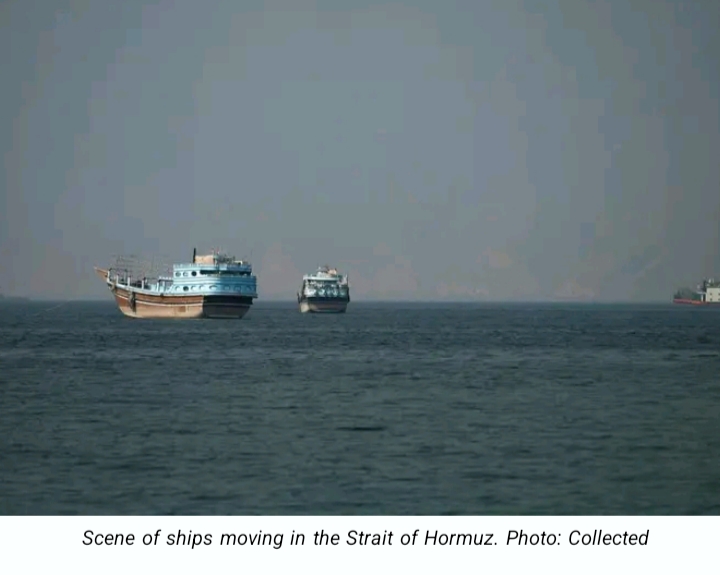
The Middle East has entered another dangerous phase of confrontation after the United States launched a large-scale air campaign against multiple Iranian military targets, accusing Tehran of violating the ceasefire by carrying out a drone attack on a commercial tanker in the Strait of Hormuz. According to the US military, the strikes targeted missile and drone storage facilities, coastal surveillance systems, military communications infrastructure, air defense installations, intelligence sites, and naval mine-laying capabilities at more than ten locations across Iran. Washington said the operation was ordered after Iran allegedly ignored an opportunity to uphold the ceasefire and instead attacked another commercial vessel, prompting a decisive military response. President Donald Trump warned that further Iranian aggression could trigger even stronger action, stating that the United States would not hesitate to expand its military operations if necessary. Iran strongly condemned the attacks, describing them as a violation of international law and the ceasefire agreement, while urging neighboring Gulf states not to allow their territory or facilities to be used for foreign military operations. The latest exchange of strikes has significantly heightened tensions around the Strait of Hormuz, one of the world’s most strategically important shipping routes, raising fresh concerns over global energy security, international trade, and regional stability. Security analysts warn that unless diplomatic efforts succeed in preventing further escalation, the crisis could evolve into a broader regional conflict with far-reaching consequences for global markets, maritime commerce, and international peace.
US airstrikes on Iran break ceasefire, raising fears of new war in Middle East