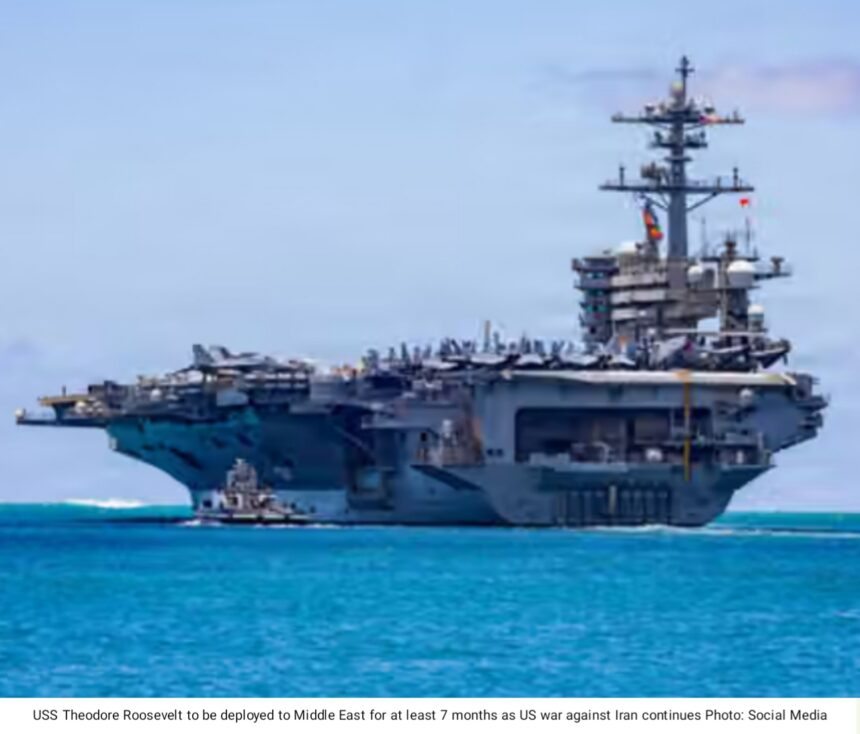
BANGKOK, September 2, 2026: The U.S. Navy’s nuclear-powered aircraft carrier USS Abraham Lincoln (CVN-72) has arrived in Thailand following an exceptionally long and demanding deployment, bringing renewed attention to the strain placed on sailors during prolonged periods at sea. Carrying around 5,000 sailors and Marines, the carrier is making a brief rest-and-recreation stop at Laem Chabang near Pattaya after an extended period of operations in the Middle East. According to Thai officials and international media reports, the visit is intended primarily to give the crew a period of rest after months of sustained operational activity. USS Abraham Lincoln departed its homeport in San Diego on November 21, 2025, initially for a deployment focused on the South China Sea and the wider Indo-Pacific region. The carrier was subsequently redirected toward the Middle East as regional tensions and military operations intensified, significantly extending what would normally be a six-to-nine-month deployment. The prolonged mission kept the carrier and its crew at sea for an extraordinary period, with reports describing the deployment as among the longest uninterrupted periods at sea for a U.S. aircraft carrier in the modern era. The length of the mission has also raised concerns about crew fatigue, morale, mental health, supplies and living conditions aboard the ship. Reports from U.S. military-focused media have highlighted concerns about the psychological pressure experienced by some sailors during the extended deployment, prompting several members of Congress to call for greater scrutiny and additional opportunities for crews to enter port. U.S. defense officials, however, have challenged some of the characterizations surrounding conditions aboard the carrier, saying that sailors have continued to receive food, medical assistance and mental-health support while acknowledging the additional pressures created by an unusually prolonged deployment. Thailand’s role as a temporary R&R destination also reflects the longstanding military relationship between Washington and Bangkok. Thailand has been a treaty ally of the United States for decades, and Pattaya has historically served as a well-known rest-and-recreation destination for American military personnel, particularly during the Vietnam War era. Local authorities have prepared for the arrival of thousands of U.S. military personnel, with businesses in Pattaya and surrounding areas expecting increased economic activity from the visiting sailors and Marines. At the same time, local authorities have emphasized security and behavioral guidelines, including restrictions concerning certain nightlife areas, drugs and high-risk recreational activities. Following its short stay in Thailand, USS Abraham Lincoln is expected to cross the Pacific and return to its homeport in San Diego. The U.S. Navy has indicated that the crew will receive additional mental-health screening and time with their families following their return, while the carrier will undergo planned maintenance. The deployment has renewed a broader debate within the U.S. military over how to maintain operational readiness during periods of prolonged conflict without placing unsustainable pressure on service members. The experience of USS Abraham Lincoln illustrates the increasingly difficult balance between sustaining global naval operations and protecting the physical and psychological well-being of the sailors who operate some of the world’s most powerful warships.
USS Abraham Lincoln Arrives in Thailand After Exceptionally Long Deployment