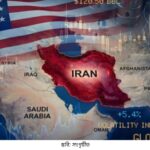

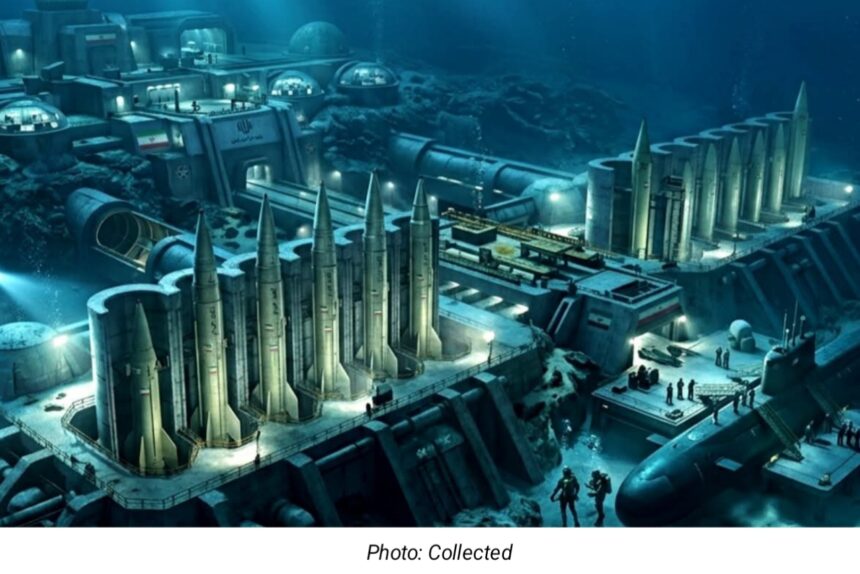
defined not by the uncontested dominance of a single power but by an increasingly multipolar regional order. Military competition, proxy conflicts, energy security, maritime trade routes, diplomacy, and technological capabilities are all becoming central factors in determining future influence across the region.
Nevertheless, many of the broader conclusions regarding Iran’s rise remain matters of analysis rather than established fact. Assertions that Iran has already become the region’s dominant power, that the United States has lost its ability to shape regional events, or that American allies have fundamentally abandoned Washington continue to be debated among scholars and policymakers. The trajectory of the Middle East will ultimately depend on future political decisions, military developments, economic conditions, and diplomatic negotiations.
What is increasingly clear, however, is that the geopolitical landscape of the Middle East is undergoing profound transformation. Regional actors are assuming greater responsibility for shaping their own security environment, while global powers adapt to an increasingly competitive and fragmented strategic order. The coming years are likely to determine whether this transition produces a more stable regional balance or ushers in an era of prolonged geopolitical rivalry.